
Lobularia canariensis
Lobularia canariensis (DC.) L. Borgen
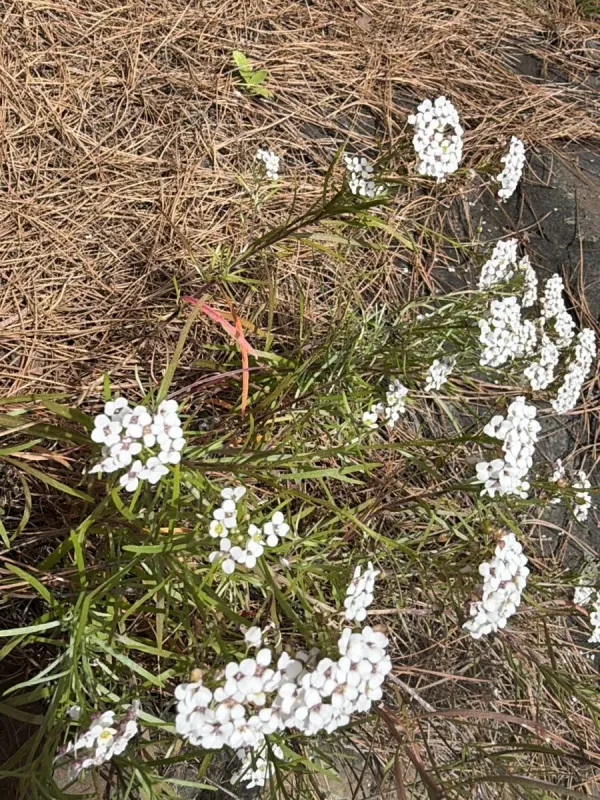
Description
Sowing dates
Lobularia canariensis, a native of the Canary Islands, requires specific conditions for successful germination. In agricultural practice, seeds should be sown in late winter or early spring using a sterile, well-draining seed starting mix to ensure optimal development.
The seeds are exceptionally small and should be scattered over the surface of the soil rather than buried. Gently pressing them into the growing medium ensures good soil contact, while a light misting helps maintain the necessary moisture levels for sprouting.
Maintaining a constant temperature range of 18–20 degrees Celsius is crucial for the germination of this species. Under ideal conditions, the first seedlings typically appear within two weeks, signaling the need to provide adequate sunlight immediately.
Once the seedlings develop their first true leaves, they should be carefully thinned or transplanted into larger containers. This spacing prevents overcrowding and encourages the formation of a robust root system before the plants are moved to their permanent outdoor location.
Hardening off is a critical step before transplanting into open ground. By gradually acclimating the young plants to outdoor temperatures over a week, growers significantly reduce transplant shock and improve the overall survival rate of the crop.
Growing requirements
As a member of the Brassicaceae family, Lobularia canariensis thrives in sunny locations with well-drained, slightly alkaline soil. These conditions mirror the volcanic landscapes of its natural habitat and are essential for achieving optimal plant vigor.
This species is well-adapted to high light intensity, and full exposure to the sun is required for abundant flowering. In shaded environments, the plants tend to become leggy and produce significantly fewer blossoms, which undermines their ornamental value.
Water management is vital, as the plant is sensitive to waterlogged soil. While it has moderate drought tolerance once established, consistent moisture is necessary for sustained growth, especially during the peak of the summer heat.
The ideal temperature range for active growth is between 15 and 25 degrees Celsius. The species exhibits resilience to coastal winds, which is an evolutionary adaptation developed in its native environment on the Canary Islands.
Nutrient requirements are modest but should be met through regular fertilization. A balanced, low-nitrogen liquid fertilizer applied every few weeks throughout the growing season helps maintain plant health and promotes continuous bloom production.
Main diseases and pests
Fungal diseases are the primary threat to Lobularia canariensis, particularly when air circulation is poor or soil moisture levels are excessive. Root rot is a common issue that often results from poor drainage or overwatering practices.
Flea beetles are the most frequent insect pests associated with this crop, often targeting young leaves during the early vegetative stage. Effective management strategies include using physical barriers or appropriate insecticides to prevent significant foliage damage.
Aphids can also pose a risk by colonizing new growth and depriving the plant of essential sap. Early detection through regular monitoring is the most effective way to prevent widespread infestation and ensure the continued health of the plants.
Powdery mildew represents another common challenge, manifesting as a white fungal coating on the foliage. Proper spacing and avoiding overhead irrigation are essential cultural practices to minimize the humidity levels that favor this pathogen.
- Root rot (fungal infection).
- Flea beetles (destructive insect pests).
- Aphids (sap-sucking insects).
- Powdery mildew (fungal disease).