
Dimorphocarpa wislizensii
Dimorphocarpa wislizensii
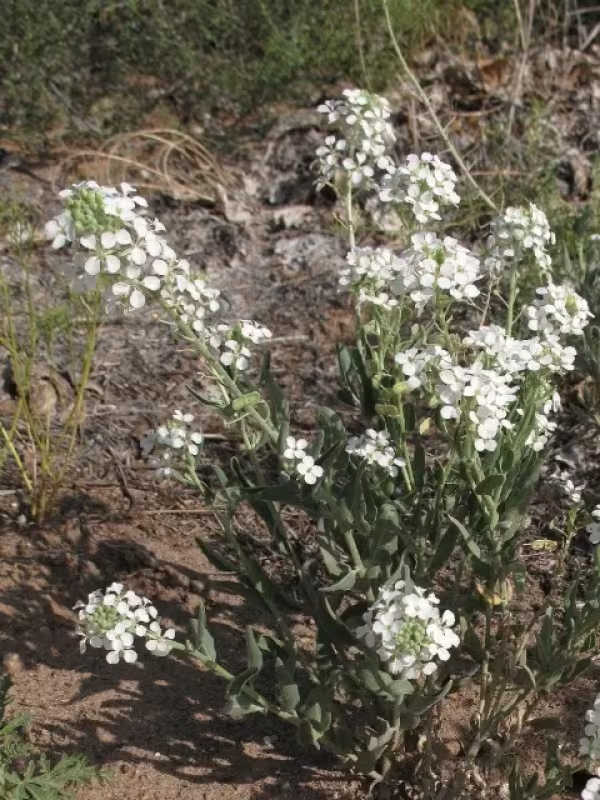
Description
Sowing dates
Dimorphocarpa wislizensii is an annual herbaceous plant belonging to the Brassicaceae family, primarily native to the desert and semi-arid regions of the Southwestern United States and Northern Mexico.
The plant is biologically characterized by a deep taproot system, which is a structural adaptation allowing it to access moisture reserves in arid environments where other crops fail to thrive.
Its botanical classification is unique due to the dimorphic nature of its fruits (silicles), which produce seeds with varying germination strategies, ensuring species survival in unpredictable weather conditions.
In modern agronomy, this plant is being studied for its potential as a specialized oilseed crop that can be cultivated on marginal, drought-prone lands with minimal input requirements.
The vegetative cycle is highly optimized for short, intense growing seasons, allowing the plant to rapidly transition from germination to seed production before the onset of extreme summer heat.
Growing requirements
This crop thrives in well-drained sandy or sandy-loam soils, as it is highly sensitive to waterlogging and poor soil aeration, which can lead to rapid root decay.
Dimorphocarpa requires full sun exposure to maximize photosynthetic activity; even partial shade significantly impacts the development of inflorescences and total seed yield.
Temperature requirements are suited for arid climates, and the plant displays high heat tolerance, though consistent moisture is essential during the early flowering stages.
Soil fertility demands are relatively low compared to traditional cereals, making the plant an excellent candidate for rotation schemes on degraded or nutrient-poor soils.
Proper weed management is critical during the seedling stage, as the plant grows slowly until it establishes its root system and begins rapid vertical development.
Main diseases and pests
The primary threats include fungal pathogens, particularly those causing root rots, which are triggered by excessive humidity levels in the soil or prolonged overcast weather.
Insect pests associated with the Brassicaceae family, such as flea beetles, can cause significant damage to young foliage and should be monitored during the early growth phases.
Aphid infestations are a common issue, as they can weaken the plant and act as vectors for various plant viruses that negatively affect the quality and quantity of oil produced.
The competition from invasive desert weeds can overwhelm the crop, necessitating strategic mechanical cultivation or integrated pest management to ensure adequate stand density.
Good agricultural practices, such as proper crop rotation and maintaining adequate field hygiene, are the most effective ways to mitigate disease and pest pressure.
Harvesting
Harvesting is conducted when the seeds have reached full maturity and the silicles have turned dry, indicating the completion of the physiological growth cycle.
Timing is crucial to avoid significant yield losses, as mature fruits are prone to shattering under dry, windy conditions common in their natural habitats.
Machinery settings for the harvest must be carefully calibrated to ensure gentle handling of the seeds, preventing cracking or damage to the delicate oil-containing tissues.
Post-harvest processing involves cleaning and drying the seed material to ensure stable storage conditions and to prevent the oxidation of essential fatty acids.
Storage facilities should be cool and well-ventilated, with strict monitoring of seed moisture levels to ensure the longevity of the oilseed quality for industrial processing.