
Didesmus bipinnatus
Didesmus bipinnatus
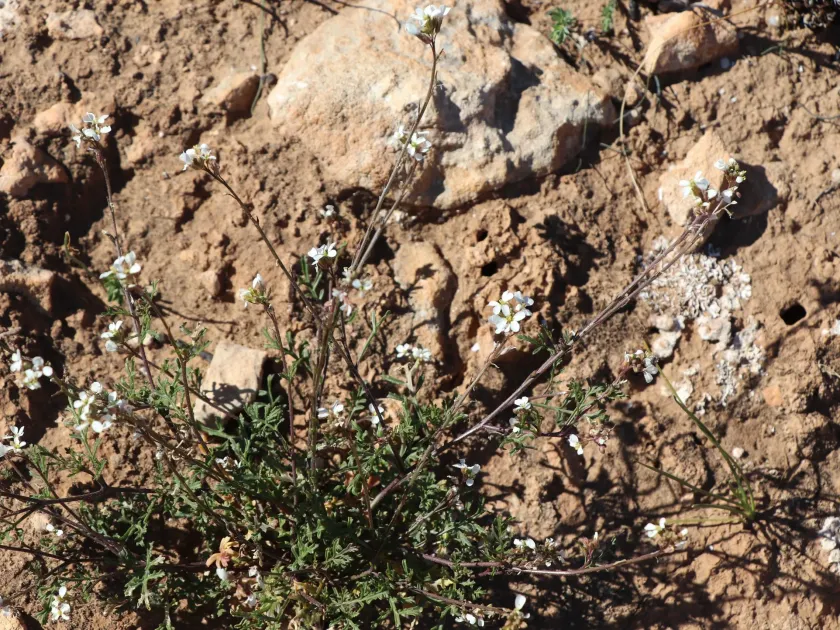
Description
Growing requirements
Didesmus bipinnatus is a member of the Brassicaceae family, known for its unique botanical profile and adaptability to specific Mediterranean climates. This herbaceous species typically grows as an annual or biennial, exhibiting specific physiological mechanisms for water retention.
The morphology of this plant is characterized by its distinct bipinnate foliage, which is a key identifying feature. The structure of the leaf surface and the overall growth habit make it a resilient plant in native habitats where rainfall patterns are irregular.
Regarding climate preferences, the crop thrives in temperate regions with high solar radiation. It requires well-drained soils to prevent root rot, as the species is highly sensitive to waterlogged conditions which inhibit its physiological processes.
The soil profile should ideally be alkaline or neutral, providing the necessary minerals for optimal vegetative development. Poorly structured or heavy clay soils are generally unsuitable for the cultivation of this species without significant soil conditioning.
From an agronomical perspective, the species serves as a genetic reservoir for understanding how Brassicaceae family members adapt to low-moisture environments. Its potential for use in marginal land rehabilitation is a subject of ongoing botanical interest.
Main diseases and pests
Cultivation of Didesmus bipinnatus faces challenges primarily from pests common to the Brassicaceae family. Flea beetles represent the most significant threat, especially during the early stages of plant development when seedlings are most vulnerable.
Aphid infestations are another recurring issue, as these insects feed on the plant's sap and can act as vectors for various viral diseases. Preventive monitoring of leaf undersides is essential to manage population outbreaks before they reach critical levels.
Fungal diseases, particularly clubroot, pose a severe risk if crop rotation is not strictly followed. This pathogen persists in the soil for years and can cause substantial yield loss if the soil pH and crop sequence are not properly managed.
Powdery mildew can also affect the plants under conditions of high humidity combined with stagnant air. This disease impairs the photosynthesis rate, significantly hindering the overall growth and quality of the vegetation.
Integrated Pest Management (IPM) strategies, including biological control agents and mechanical weeding, are recommended to maintain healthy crops while minimizing chemical inputs in the production field.