
Descurainia argentina
Descurainia argentina
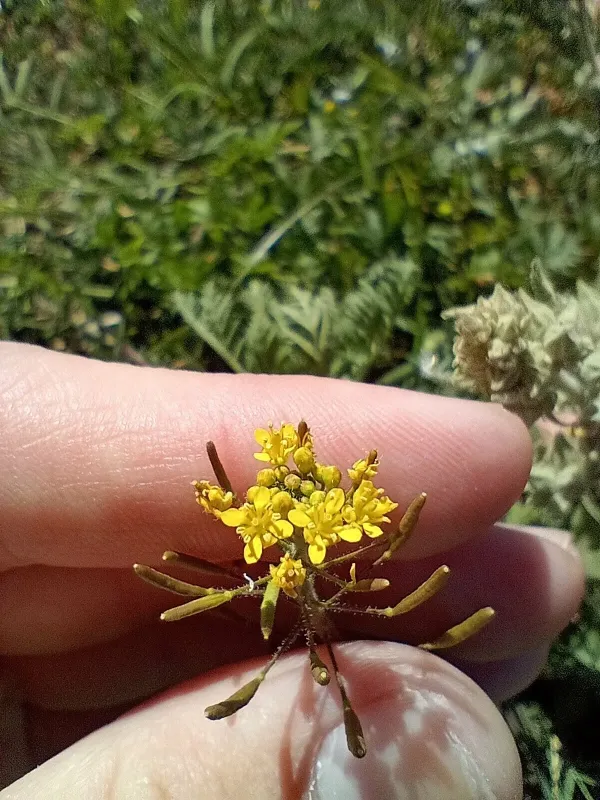
Description
Sowing dates
Descurainia argentina is a member of the Brassicaceae family. Sowing is typically performed in early spring once the soil temperature is adequate for germination, which usually occurs between 5 and 10 degrees Celsius.
Given the small size of the seeds, they should be sown at a shallow depth of 1 to 2 centimeters. Ensuring close contact between the seed and the soil through rolling is essential for uniform emergence.
The sowing rate depends on the intended use of the crop, whether for seed production or green manure. Standard drills should be calibrated specifically for small seeds to ensure even distribution across the field.
Early sowing is often preferred to take advantage of spring moisture, allowing the plants to establish a robust root system before the onset of potential summer heat and drought conditions.
Field preparation should involve fine seedbed creation to avoid burying the tiny seeds too deep, which would significantly reduce the rate of successful seedling emergence.
Growing requirements
This crop thrives in well-drained, fertile soil types, ranging from sandy loams to silt soils. Proper soil aeration is crucial for the healthy development of the root system and overall plant vigor.
Descurainia argentina requires high light intensity for optimal growth. It is highly sensitive to shading, which can lead to stunted growth and increased susceptibility to environmental stressors.
The plant is relatively adaptable to various climate zones but performs best in temperate conditions. It is known for a degree of hardiness, surviving moderate temperature fluctuations during the growing season.
Water requirements are moderate, with peak needs during the flowering and pod formation stages. Providing adequate moisture during these phases is vital for achieving high yields and quality seeds.
Soil nutrient management, particularly the availability of nitrogen and phosphorus, plays a significant role in the productivity of the crop. Balanced fertilization based on soil testing is highly recommended.
Yield
The yield potential of Descurainia argentina is influenced by environmental conditions and management practices during the flowering period. Favorable weather conditions during pollination significantly increase seed set.
Proper harvesting timing is critical to minimize shattering losses. The crop should be harvested as soon as the pods reach physiological maturity and turn from green to light brown or grey.
Yield stability is generally high when the crop is grown in its preferred climate, showing resilience against minor seasonal fluctuations in temperature and rainfall compared to other Brassicaceae.
Strategic nutrient application throughout the vegetative phase can contribute to higher biomass yields, which is particularly beneficial if the crop is intended for biomass or green manure purposes.
Post-harvest handling, including prompt drying of seeds, is necessary to maintain seed viability and prevent the development of mold, ensuring that the harvested product meets quality standards.
Main diseases and pests
Common pests affecting Descurainia argentina include flea beetles, which primarily target young seedlings, and various aphid species that can colonize the plants during rapid growth stages.
Fungal diseases, such as downy mildew and various types of root rot, are often associated with high humidity and poor field drainage. Preventing waterlogging is a primary defense against these issues.
Integrated pest management strategies are recommended, utilizing crop rotation to break the pest cycles of common Brassicaceae pathogens and insects that thrive in the same environment.
Monitoring for signs of herbivory or disease should begin early in the season. Early detection allows for more effective interventions, reducing the need for extensive chemical control.
Environmental stress, such as extreme heat during flowering, can also act as a physiological threat, reducing overall seed set and increasing the plant's vulnerability to secondary pest infections.
Harvesting
Harvesting is typically done using combine harvesters equipped with specialized headers for small seeds. Settings must be precise to reduce losses due to seed shattering at the cutter bar.
The timing of the harvest should be coordinated with seed moisture monitoring. Once the moisture level drops to a safe threshold, harvesting should proceed promptly to avoid yield losses due to pod dehiscence.
In some regions, swathing the crop before direct combining can help manage uneven ripening within the field, ensuring that the maximum percentage of seeds are harvested at peak maturity.
Cleaning and drying equipment should be prepared before harvest begins. Because the seeds are small and can contain debris, effective cleaning is required to achieve market-grade purity standards.
Efficient logistics during the harvest window are essential, as waiting too long after maturity can result in significant yield loss due to the natural opening of the dry pods under wind or rain.