
Descurainia longipedicellata
Descurainia longipedicellata
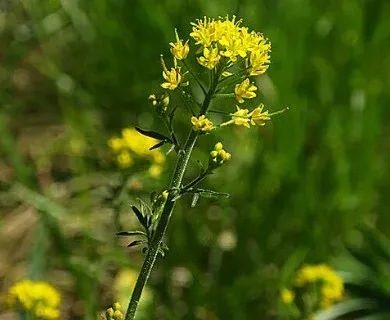
Description
Growing requirements
Descurainia longipedicellata is a member of the Brassicaceae family, recognized for its botanical resilience and ability to thrive in harsh environments. It is often studied for its physiological adaptability to arid climates.
The plant originates from Central Asian regions, where it has evolved to occupy open, arid habitats. It is primarily found in environments where water availability is limited and soil salinity levels may be elevated.
Botanically, it features a characteristic branched habit and significantly long pedicels that support high seed production. This morphological trait allows for rapid colonization of fallow or sparsely vegetated lands.
Regarding soil requirements, the species prefers light, well-aerated, and mineral-rich substrates. It is known to tolerate alkaline soil conditions, which makes it a unique candidate for land restoration projects.
Agricultural management for this plant focuses on establishing early season growth, ensuring that the plant utilizes available moisture before extreme temperatures arrive in late spring or early summer.
Main diseases and pests
The crop is vulnerable to typical brassicaceous pests, including flea beetles that feed on young foliage during the early vegetative development stages.
Fungal diseases like downy mildew are common threats, especially when there is high humidity during the early growing season, leading to localized leaf damage.
Aphid populations can cause significant sap depletion, which is particularly detrimental if the plant is grown for biomass or seed production purposes.
Integrated pest management strategies should include crop rotation to break the life cycles of soil-borne pathogens that target the Brassicaceae family.
Timely application of protective measures is essential, as the rapid growth cycle of the plant leaves a short window for effective treatment after pests are detected.