
Indian heliotrope
Heliotropium indicum L.
Description
Growing requirements
The Indian heliotrope (Heliotropium indicum L.) is an annual herbaceous plant belonging to the Boraginaceae family. Originally from tropical regions, this plant is well-adapted to warm, humid environments and is widely distributed throughout the tropics of Asia and the Americas.
The plant thrives in full sun and requires fertile, well-draining soil to achieve optimal biomass production. While it can survive in various soil types, including sandy loams, it performs best when provided with consistent moisture levels throughout the growing season.
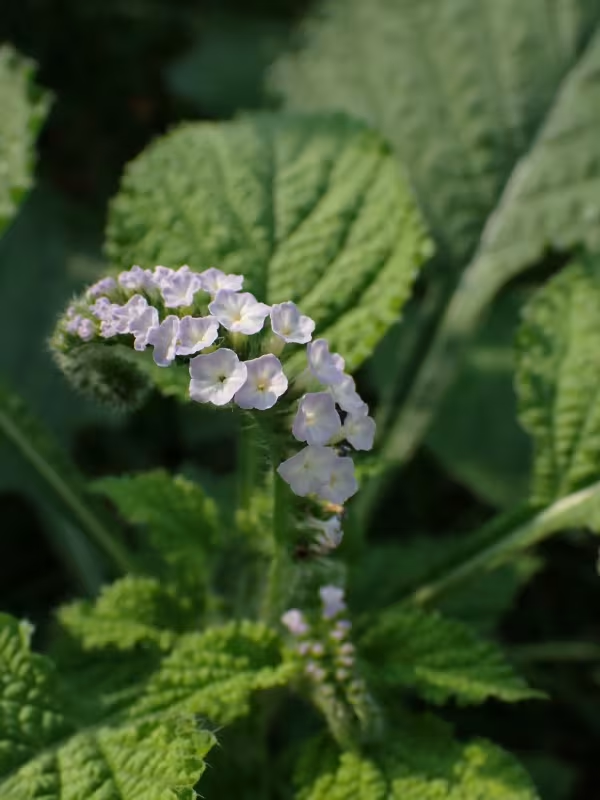
The botanical structure of the Indian heliotrope is marked by its coiled flower spikes, which straighten as they mature, giving the plant its distinct appearance. The leaves are ovate with wavy margins and a soft, pubescent texture that helps the plant retain moisture.
Cultivation requires careful temperature management, as the plant is highly susceptible to cold injury and frost. In temperate zones, it is typically grown as a greenhouse crop or a summer annual, ensuring that the soil temperature is sufficiently warm for germination.
Beyond its botanical interest, the species is often found as a weed in disturbed soils, roadsides, and riverbanks. Its rapid growth cycle allows it to establish itself quickly in areas with minimal competition, making it a common sight in tropical landscapes.
Main diseases and pests
Indian heliotrope contains pyrrolizidine alkaloids, which are toxic to humans and livestock if ingested in significant quantities. This chemical profile acts as a natural defense mechanism against many herbivores, although it poses management challenges for land managers.
Pest pressure is primarily driven by sap-sucking insects like aphids and whiteflies, which can lead to stunted growth and the transmission of viral pathogens. Integrated pest management, focusing on early detection, is the most effective approach to minimize crop losses.
Fungal diseases, especially powdery mildew and root rot, are common threats, particularly when plants are grown in overcrowded conditions with poor ventilation. Ensuring adequate spacing between plants is critical for preventing the spread of these soil-borne and airborne pathogens.
Weed control is an essential aspect of managing this plant, as it is a prolific seed producer. If left unchecked, the seed bank can persist in the soil for years, leading to significant infestations that can suppress desirable vegetation in subsequent seasons.
In conclusion, while the Indian heliotrope possesses unique medicinal properties, its cultivation requires strict adherence to safety protocols due to its toxicity. Monitoring for pest activity and maintaining proper environmental conditions are the cornerstones of successful management for this species.