
Heliotropium arborescens
Heliotropium arborescens L.
Description
Sowing dates
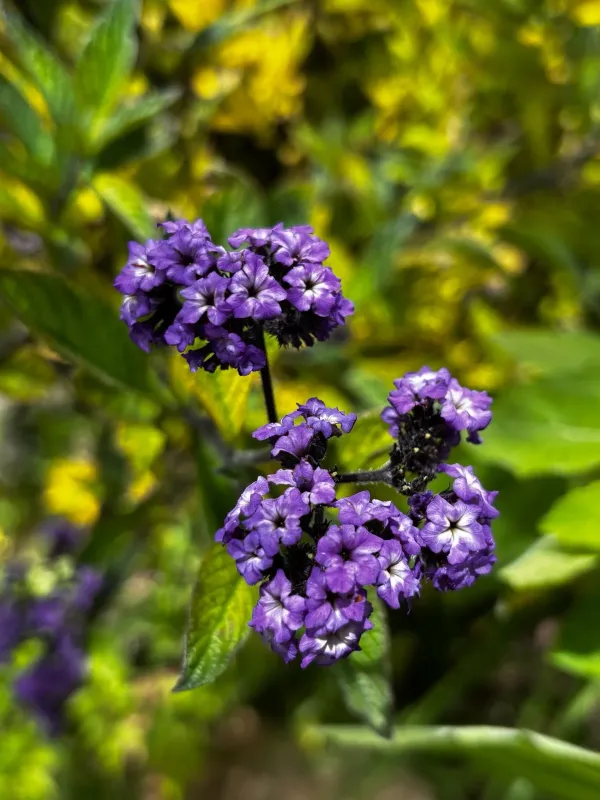
Heliotropium arborescens, belonging to the Boraginaceae family, is a popular ornamental plant characterized by its intense vanilla-scented purple flowers. In many regions, it is treated as an annual, requiring an early start indoors to ensure a long flowering season during the warmer months.
Seeds should be sown in late winter or early spring using a high-quality, fine-textured seedling mix. It is crucial to cover the seeds lightly, as they need darkness to germinate effectively, and keep the temperature consistent around 20-22 degrees Celsius until sprouts appear.
Once the seedlings develop their first true leaves, they should be carefully pricked out into individual small pots. This individual spacing allows each plant to develop a strong root system and prevents overcrowding, which could lead to weak, leggy stems and poor overall growth.
Hardening off is an essential transition phase that prepares the indoor-grown plants for the harsh outdoor environment. Over the course of two weeks, the plants should be gradually exposed to direct sunlight and cooler temperatures before final planting into the garden soil.
Planting in the garden should only take place after the last spring frost has passed, as this species is extremely sensitive to cold temperatures. Choosing a site with stable, warm soil ensures that the plants establish themselves quickly and begin blooming earlier in the summer season.
Growing requirements
Heliotropes thrive in full sun, where they receive at least six to eight hours of direct light daily. Adequate sunlight is not only vital for photosynthesis but is also a critical factor in maximizing the development of their signature sweet fragrance and vibrant floral colors.
Well-drained, fertile soil is a primary requirement for success with this plant. If the local soil is heavy or tends to retain too much moisture, it is recommended to amend the planting hole with organic compost and sharp sand to improve drainage and aeration for the delicate roots.
Consistent irrigation is necessary throughout the growing period to keep the soil moist but not waterlogged. Heliotropes are sensitive to both drought and prolonged water retention; therefore, implementing a mulch layer around the base can help regulate soil moisture and temperature.
Regular fertilization with a balanced, water-soluble fertilizer is encouraged during the peak growth months to support the heavy energy demand of constant blooming. Applying liquid plant food every two weeks provides the necessary nutrients for deep green foliage and abundant flower clusters.
Pinching back the terminal shoots of young plants is a standard practice used to encourage bushier growth and lateral branching. This technique transforms a single-stemmed plant into a robust, rounded specimen, providing a better display of flowers in containers or flower beds.
Main diseases and pests
Aphids, whiteflies, and spider mites are the most common pests that affect heliotropes, particularly in hot and dry weather conditions. Regular monitoring of the foliage, especially the undersides of the leaves, is necessary to catch infestations early before they cause significant damage.
When pest populations reach damaging levels, the application of appropriate insecticidal soaps or systemic treatments may be required. Maintaining good airflow by spacing plants properly significantly reduces the vulnerability of the crop to these opportunistic insect attacks.
Fungal diseases like powdery mildew and grey mold can occur when plants are stressed or grown in humid, poorly ventilated areas. Ensuring that the foliage remains dry during irrigation and providing adequate space between plants helps mitigate the risk of these fungal outbreaks.
Root rot is often a result of overwatering or soil that lacks proper drainage, leading to oxygen-deprived conditions for the root system. Using sterilized potting mixes and ensuring the drainage holes in pots are clear are key preventative steps to maintain long-term plant health.
Overall garden hygiene, including the removal of dead or dying plant material, is essential for minimizing the spread of pathogens. Keeping the surrounding area free of debris creates an environment that is less favorable to harmful insects and soil-borne diseases.