
European heliotrope
Heliotropium europaeum L.
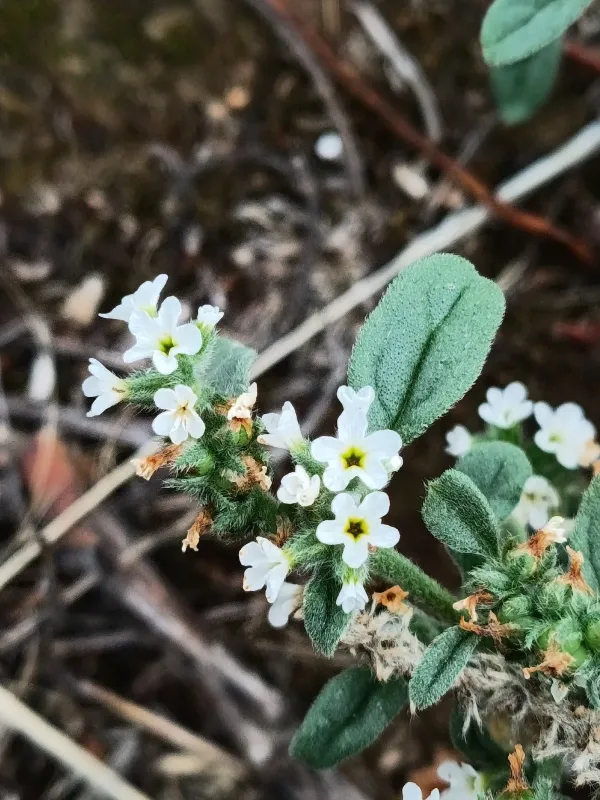
Description
Sowing dates
European heliotrope is a summer annual weed belonging to the Boraginaceae family. Seeds typically begin to germinate in the spring when soil temperatures reach 8–10°C, though active growth peaks during late spring and early summer.
The germination process is notably staggered, which poses a significant challenge for chemical and mechanical control. Seeds are capable of emerging from depths of up to 8 centimeters, demonstrating high seedling vigor and resilience in various soil conditions.
The plant enters its reproductive stage from June through September. During this period, each plant produces thousands of seeds, which can remain viable in the soil seed bank for several years if not managed properly.
Propagation is strictly through seed distribution. Wind, water, and agricultural equipment act as the primary vectors for spreading the weed across vast areas, making field sanitation a critical management practice.
Early season control is essential. By monitoring seedling emergence patterns, farmers can apply effective pre-emergence or post-emergence treatments before the plants transition into the rapid growth phase.
Growing requirements
European heliotrope is highly adaptable, flourishing in a variety of soil types ranging from light sandy soils to heavy clays. It prefers open, sun-exposed environments, which makes it a persistent issue in cultivated fields and open pastures.
One of its most prominent traits is its exceptional drought tolerance. The plant develops a deep taproot that allows it to thrive in arid conditions, often outcompeting crop plants that are sensitive to moisture stress.
The plant is thermophilic, showing strong growth at high summer temperatures that would otherwise stress many standard crops. This thermal adaptation allows it to dominate during the hottest months of the growing season.
Soil pH levels generally have a negligible impact on its success, as it tolerates a broad range of soil reactions. It is frequently observed growing in saline or degraded soils where other vegetation struggles to survive.
Proper field management, including competitive crop rotations and diligent inter-row cultivation, is the most effective approach for suppressing the growth and spread of this opportunistic weed.
Main diseases and pests
The primary concern associated with European heliotrope is its toxicity. It contains pyrrolizidine alkaloids, which are harmful to livestock, particularly horses and cattle, causing severe liver damage if ingested.
In addition to its direct toxic effects, the weed competes aggressively with agricultural crops for nutrients, water, and light. This competition often leads to significant yield losses in corn, sunflowers, and small grain crops.
The presence of heliotrope seeds as impurities in harvested grain can result in strict quality downgrades. Contaminated feed must be carefully screened to prevent accidental ingestion by livestock, as the alkaloids remain potent even when dried.
The plant acts as an alternative host for various viral plant diseases and vector insects. By harboring these pests, European heliotrope indirectly facilitates the spread of infection to high-value vegetable and commercial crops nearby.
- Contains toxic pyrrolizidine alkaloids.
- Aggressive competitor in row crops.
- Contaminates grain harvests.
- Reservoir for viral crop diseases.