
Heliotropium ovalifolium
Heliotropium ovalifolium Forssk.
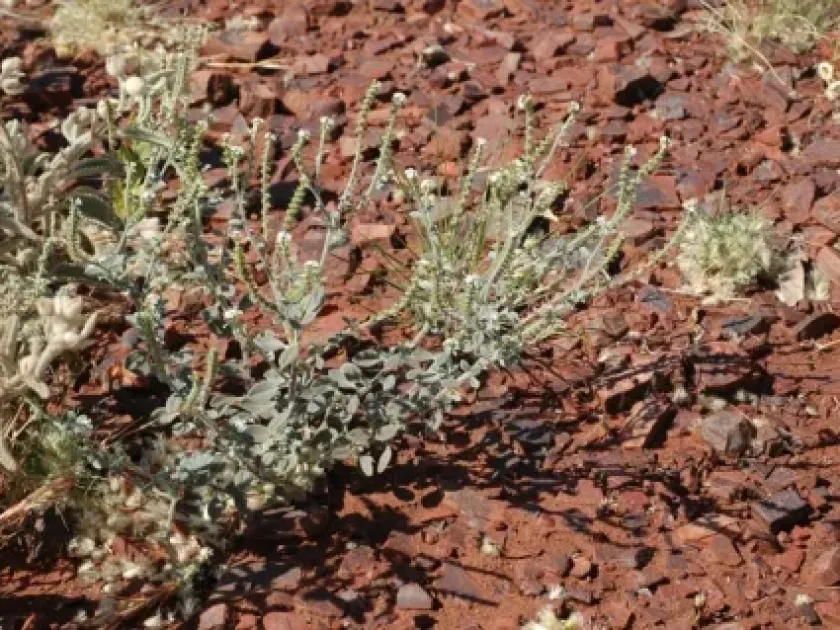
Description
Sowing dates
Heliotropium ovalifolium is a thermophilic plant that requires high temperatures for germination and early vegetative development. Sowing should only occur when the risk of frost has completely passed.
The optimal soil temperature for sowing is between 18 and 25 degrees Celsius. Ensuring that the soil is sufficiently warmed is crucial to avoid dormant periods that can stunt the plant's growth.
In professional farming, a greenhouse-based nursery method is often preferred. This approach allows growers to nurture seedlings under controlled conditions before transplanting them into the field.
The planting density must be carefully calculated to ensure adequate air circulation. Overcrowding can lead to humidity pockets, which are detrimental to this specific species.
Seed treatment, such as priming or light stratification, can significantly increase the uniformity of emergence, which is essential for efficient mechanical field maintenance.
Growing requirements
As a member of the Boraginaceae family, this species thrives in dry, sunny habitats. It is naturally adapted to high light intensity, which is vital for its medicinal and botanical development.
Soil requirements focus on excellent drainage and aeration. Sandy or loamy soils are ideal, whereas compacted clay soils may cause root hypoxia and subsequent plant death.
Irrigation should be precise and intentional. While the plant shows remarkable resilience during dry spells, supplemental water is necessary during peak growth to maximize yield.
pH balance of the soil should ideally remain near neutral or slightly alkaline. Extremely acidic soils can lock up essential micronutrients, leading to chlorosis.
Fertilization regimes should prioritize moderate amounts of phosphorus and potassium, which help in developing a robust root system and improving overall plant vigor.
Main diseases and pests
Fungal pathogens, particularly those causing damping-off in seedlings, represent the most significant threat to the initial stages of crop establishment in Heliotropium ovalifolium.
Insect pests such as aphids and leaf miners often target the foliage. They extract plant sap and can serve as vectors for various viral diseases that significantly impact production.
Effective management requires a regular scouting program. Early detection of pests allows for localized treatments, reducing the need for broad-spectrum chemical applications.
Root rot caused by waterlogging is a silent killer in this crop. Improving soil structure and managing drainage are the primary methods to mitigate this risk.
Crop rotation cycles should avoid proximity to other Boraginaceae family members to prevent the buildup of species-specific soil-borne pathogens in the field.