
Heliotropium aegyptiacum
Heliotropium aegyptiacum
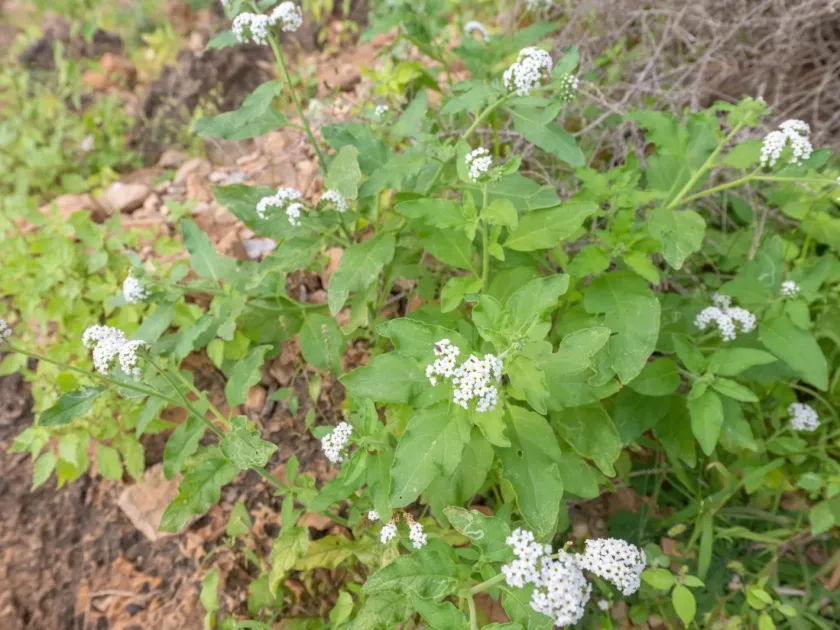
Description
Sowing dates
Heliotropium aegyptiacum, a member of the Boraginaceae family, requires warm conditions for optimal germination and early growth. Sowing should be conducted only when the soil temperature remains consistently above 15 degrees Celsius.
Seedlings are best started indoors in late winter or early spring using high-quality potting compost. The seeds are small and should be covered lightly with a thin layer of substrate, ensuring they receive enough light to trigger germination.
Transplanting into the field is recommended once the danger of frost has passed. Plants should be spaced 30 to 40 centimeters apart to prevent overcrowding and ensure adequate airflow around each individual plant.
During the early stages, it is essential to maintain consistent moisture levels without saturating the soil. Using a gentle spray or misting system helps protect the fragile seeds from being washed away.
Acclimatization, or hardening off, is a vital step before field planting. Moving plants to a sheltered outdoor area gradually over two weeks helps them adjust to direct sunlight and wind conditions.
Growing requirements
This crop thrives in full sun exposure. Maximizing light intake is critical for the plant to maintain its compact growth habit and produce abundant vegetation throughout the growing season.
The ideal soil for Egyptian heliotrope is well-drained, fertile, and slightly alkaline. It does not tolerate waterlogging, which necessitates amending heavy or clay-based soils with organic matter or sand to improve drainage.
Watering needs must be balanced. While the plant shows some drought tolerance once established, consistent moisture is required to maximize growth potential and prevent early wilting of the leaves.
Temperature management is crucial; the plant performs best in a range of 20 to 28 degrees Celsius. Extreme heat paired with drought can cause stress, while cold nights will significantly stunt development.
Fertilization should be managed carefully, favoring balanced NPK formulas. Excessive nitrogen can lead to excessive foliage growth at the expense of root development or flower production, so precise application is advised.
Main diseases and pests
Powdery mildew is a common fungal disease, especially in dense plantings with poor air circulation. It appears as a white, dusty layer on the leaves, which can reduce the plant's photosynthetic capacity.
Root rot is the primary threat associated with overwatering or poor drainage. Once established, it is difficult to treat, making prevention through soil management the most effective control method.
Spider mites are significant pests that flourish in hot, dry climates. These tiny pests pierce the leaf tissue, causing yellowing and eventual drying of the foliage if left unchecked.
Aphids often target new, succulent growth. They can transmit viruses and weaken the plant, necessitating prompt monitoring and the use of insecticidal soaps or biological controls when necessary.
- Implementing crop rotation to break pest and disease cycles.
- Ensuring adequate spacing to facilitate natural air circulation.
- Regular monitoring of foliage to detect infestations at early stages.