
Thickleaf yerba santa
Eriodictyon crassifolium
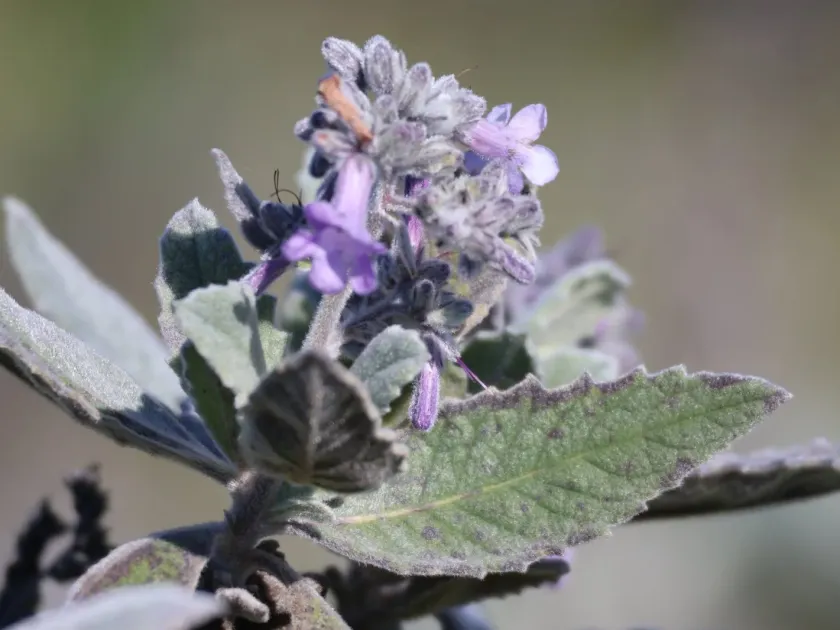
Description
Sowing dates
Eriodictyon crassifolium is primarily propagated via seeds or semi-hardwood cuttings. Seed germination is often challenging due to a deep innate dormancy, which in nature is broken by the chemical effects of wildfire smoke or high temperature fluctuations. Consequently, pre-sowing treatments like scarification or smoke-water application are highly recommended for successful cultivation.
Sowing should be performed in a well-draining, sandy-based medium. Containers are preferred during the early stages of growth to manage environmental factors precisely. The seeds require light for germination, so they must be sown very shallowly, only covered by a thin layer of grit or fine sand.
Vegetative propagation via cuttings is a common practice to ensure uniformity in plantations. Semi-hardwood cuttings, taken during the active growing season, are treated with rooting hormones and placed in a humidified environment with adequate air circulation to prevent rot while encouraging root development.
The transition of seedlings to the field should occur after the plants have developed a robust root system. Spring is the optimal time for transplanting, allowing the crop to establish itself before the intense heat of the summer months sets in.
Once established, the plants require minimal intervention. Proper spacing is critical to ensure that each plant receives maximum sunlight and sufficient airflow, which is essential for the health of its resinous, hairy foliage.
Growing requirements
Belonging to the Boraginaceae family, Thickleaf yerba santa is native to the chaparral ecosystems of California. It thrives in full sun exposure and is highly adapted to arid conditions. It does not perform well in shaded environments, which tend to reduce the production of the plant's signature secondary metabolites.
The soil requirements for this crop are strict regarding drainage. It demands rocky, gravelly, or sandy soils where water does not accumulate. Heavy clay soils are generally unsuitable for this species, as they almost inevitably cause root rot issues during the wetter months of the year.
Climate adaptation is a key feature of this plant. It is highly heat-tolerant and thrives in Mediterranean climates with hot, dry summers. However, it is sensitive to humidity-related diseases, so it performs best in regions where the air remains relatively dry during the growing season.
While the plant is hardy and can withstand occasional frosts, prolonged periods of extreme cold combined with damp conditions can damage the plant's delicate aerial parts. Shelter from strong, moist winds is often beneficial in early cultivation phases.
Agronomic management relies on the plant's natural ability to grow in nutrient-poor environments. Fertilizer application should be avoided or kept to an absolute minimum, as excess nutrients often lead to leggy, weak growth that is more susceptible to pests and diseases.
Main diseases and pests
Powdery mildew is the most common disease affecting Eriodictyon crassifolium, typically manifesting as a white fungal growth on the leaves. This is most prevalent when stagnant, humid air persists around the plant, highlighting the need for good site selection and spacing.
Root rot, caused by pathogens like Phytophthora, is the primary threat in poorly drained soils. Once these pathogens infect the root system, the decline of the plant is rapid, often leading to total loss of the specimen if moisture levels are not corrected immediately.
Pests such as aphids, spider mites, and scale insects may infest the foliage. While the thick, resinous hairs on the leaves provide some protection against herbivory, they can also provide a hiding spot for these pests. Regular monitoring is necessary to catch infestations before they spread.
Weed competition can be severe during the first two years of growth. Mechanical weeding is necessary to ensure the young plants are not shaded out or deprived of resources, but it must be done carefully to avoid damaging the shallow root system.
Due to the plant's medicinal use, the use of synthetic pesticides is generally discouraged. Integrated pest management (IPM) strategies, including the introduction of natural predators or the use of horticultural oils, are the standard for maintaining healthy crops.