
Eriodictyon angustifolium
Eriodictyon angustifolium
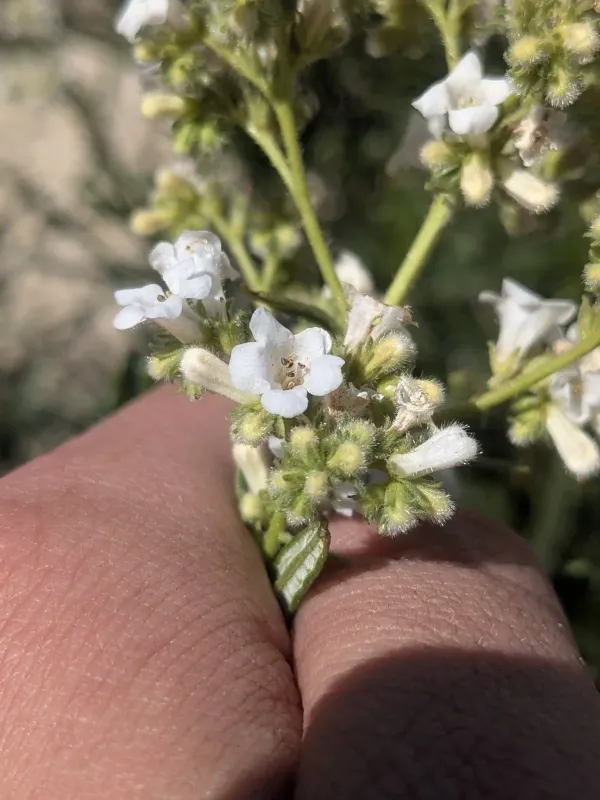
Description
Growing requirements
Eriodictyon angustifolium, commonly known as a member of the Boraginaceae family, is a perennial evergreen shrub native to the arid southwestern United States and northern Mexico.
This plant thrives in well-drained, rocky, or sandy soil types, reflecting its natural adaptation to mountain slopes and foothills with sparse rainfall.
The climate requirements include high solar exposure and protection from severe freezing temperatures, which can damage the evergreen foliage of the shrub.
Cultivation practices focus on maintaining low soil moisture levels, as the plant is highly susceptible to root damage caused by stagnant water or poor drainage.
Commercially, the plant is primarily harvested for its therapeutic foliage, which contains essential resins widely recognized for their medicinal applications.
Main diseases and pests
The primary threats to Eriodictyon angustifolium plantations are root-borne fungal diseases, specifically those triggered by high humidity levels around the root crown.
In hot and dry conditions, spider mites and other sap-sucking pests may infest the plants, leading to leaf discoloration and reduced overall vigor.
While the leaves are protected by a natural layer of sticky resins that deter many herbivores, extreme environmental stress can make the plant susceptible to secondary infections.
Good air circulation is essential for managing the health of the shrub; dense plantings should be avoided to minimize the risk of spreading fungal pathogens.
Monitoring the soil pH and structure is recommended, as deviations from the native rocky substrate profile can lead to nutrient deficiencies or increased disease vulnerability.