
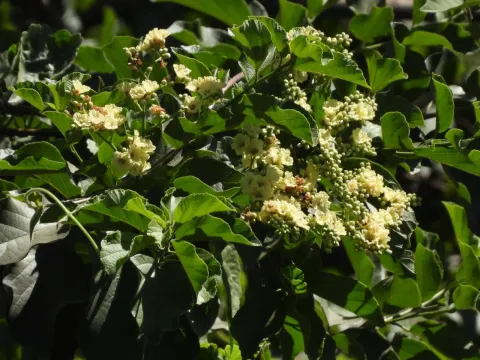
Cordia alba
Cordia alba
Cordia alba is a notable member of the Boraginaceae family, typically growing as a drought-tolerant shrub or small tree. Its biological structure is highly efficient, featuring thick, textured leaves that minimize transpiration. The plant is well-regarded for its adaptability to challenging tropical environments where resources might be limited.
What the section contains
Cordia alba
Originating from the tropical regions of Central and South America, this species thrives in diverse habitats, including scrub forests and open savannas. Its natural distribution is a testament to its resilience, as it successfully colonizes areas with prolonged dry seasons and significant temperature fluctuations.
Soil requirements for Cordia alba are primarily focused on drainage. While it can tolerate a variety of soil textures, including stony or nutrient-poor sandy loams, it cannot thrive in waterlogged conditions. Ensuring a porous soil structure is the most critical step for successful establishment and long-term health.
Climatic requirements center on high solar radiation. As a sun-loving plant, it requires full exposure to flourish. While it is highly heat-resistant, younger plants may require periodic supplemental irrigation until their root systems are fully established to withstand severe environmental stress.
Agronomic management involves standard pruning protocols to maintain plant health and encourage productivity. Pruning is best performed during the onset of the dormant period. Because the plant is generally hardy, it requires minimal chemical intervention, aligning well with low-input agricultural systems.
The economic utility of Cordia alba extends from its fruit, which contains a mucilaginous pulp utilized in various regional food products. Furthermore, the tree is frequently used for soil stabilization in reforestation efforts, as its root system effectively prevents erosion in arid and semi-arid landscape conditions.