
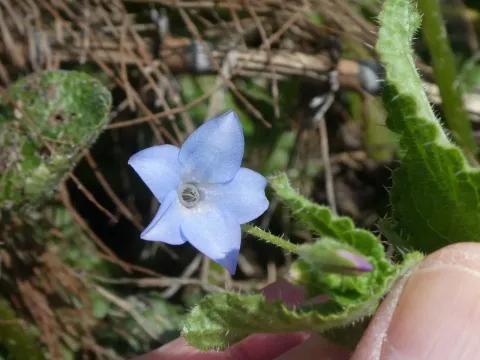
Dwarf borage
Borago pygmaea
Dwarf borage (Borago pygmaea) is a perennial herbaceous plant belonging to the Boraginaceae family. It is distinguished by its smaller, more compact growth habit compared to the common borage species, making it ideal for smaller garden beds.
What the section contains
Dwarf borage
Sowing should take place in early spring once the threat of severe frost has passed and the soil has begun to warm up. The seeds are typically sown directly into the prepared garden soil at a depth of about 1.5 to 2 centimeters.
Spacing is a crucial aspect of cultivation, as proper airflow is necessary to prevent fungal issues. It is recommended to plant individuals about 20 to 25 centimeters apart, with rows spaced at roughly 30 to 40 centimeters.
The seeds generally germinate within two weeks if kept consistently moist during the initial stages of establishment. Once the seedlings have reached a sufficient size, thinning may be necessary to ensure that each plant has enough space to develop its rosette.
Successive sowings can be conducted during the summer to maintain a continuous supply of fresh, cucumber-flavored leaves until the onset of the colder autumn temperatures.
Dwarf borage thrives in full sun but can tolerate partial shade in hotter climates. It prefers well-drained soils that are rich in organic matter but is remarkably adaptable to various soil textures, including sandy or loamy types.
One of the key agronomic advantages of this species is its drought tolerance. Once established, the plant's deep taproot allows it to source moisture from deeper soil layers, reducing the need for supplemental irrigation.
Excessive fertilization should be avoided, as it can lead to lush but weak leaf growth that is more susceptible to pests and disease. A light application of compost at planting is usually sufficient for optimal development.
Soil pH should ideally be neutral or slightly alkaline. In areas with high rainfall, ensuring adequate drainage is paramount to prevent the roots from waterlogging, which is the primary cause of failure in borage crops.
The plants are generally hardy and can withstand moderate fluctuations in temperature, making them a reliable choice for gardens in various temperate regions around the world.
The most common pests affecting dwarf borage include slugs and snails, which are particularly attracted to the succulent foliage during damp, cool conditions. Physical barriers or organic molluscicides are effective control measures.
Powdery mildew is the most frequent disease, manifesting as a white, dusty layer on the leaves. It is often a result of high humidity and poor air circulation, which can be mitigated by proper spacing and thinning of the plants.
Aphids may occasionally colonize the flower stalks, potentially stunting growth. If infestations occur, natural predators like ladybugs or neem-based sprays can be used to manage the population without affecting pollinators.
Good garden hygiene, such as removing debris and weeds from around the plants, significantly reduces the likelihood of both pest outbreaks and the spread of pathogens throughout the growing area.
Monitoring the plants regularly during the peak growing season allows for early intervention, ensuring that the health and yield of the borage crop remain within productive parameters.
The primary harvest consists of the young, flavorful leaves, which are typically picked as needed. Regular harvesting encourages the plant to produce more foliage and prevents premature flowering if leaf production is the goal.
Flowers of dwarf borage are equally valuable; they are edible, have a vibrant blue color, and are highly attractive to beneficial pollinators such as honeybees and bumblebees throughout the flowering season.
For the best culinary experience, harvest foliage in the early morning when the oil content and moisture levels are highest, ensuring the characteristic crisp texture and flavor are preserved.
If drying for herbal use, leaves should be placed in a cool, dark, and well-ventilated area to dry slowly, which helps retain the plant's essential compounds and delicate aroma.
Flowers can be harvested throughout the bloom cycle and used fresh in salads, as garnishes for cocktails, or even crystallized as a decorative element in confectionery and pastry arts.