
Strawflower
Xerochrysum bracteatum x Helichrysum splendidum
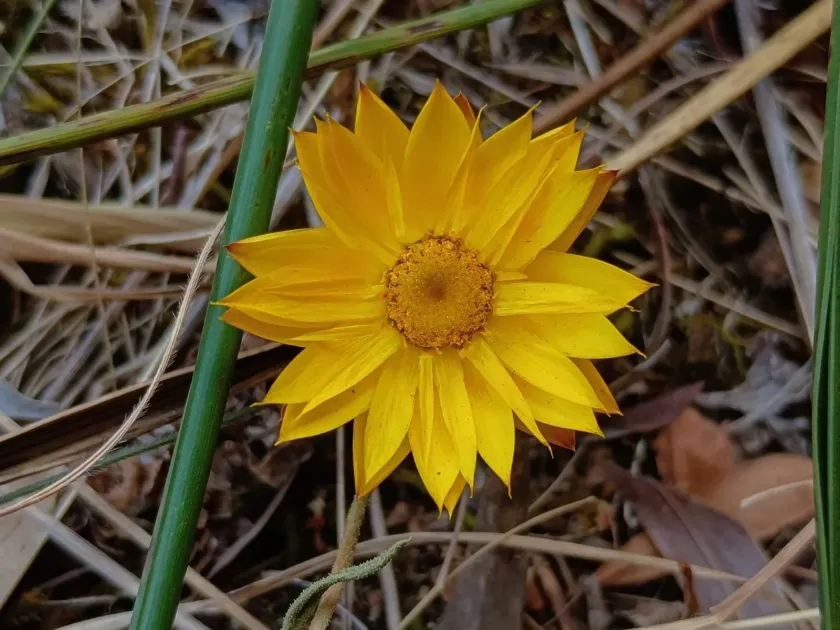
Description
Sowing dates
Strawflower is typically grown as an annual, with starting seeds indoors being the most reliable method in cooler climates. Sow the seeds in late winter or early spring, approximately 6–8 weeks before the last frost date.
Use a well-draining seed-starting mix, scattering seeds lightly over the surface and covering them with a very thin layer of vermiculite or soil. Keep the environment warm, ideally around 20°C, and ensure consistent light exposure.
Once the seedlings develop their first true leaves, transplant them into individual cells to encourage strong root development. This step is vital to reduce transplant shock later in the season.
Hardening off the plants is a necessary process to acclimatize them to outdoor conditions. Gradually introduce them to sun and wind over a 10-day period before final transplanting.
Transplant into the garden only after all danger of frost has passed. Space plants roughly 25–30 cm apart to ensure adequate air circulation and prevent foliage diseases.
Growing requirements
Strawflowers are sun-loving plants that require full sun to develop strong stems and vibrant, well-structured bracts. Shade will lead to weak, elongated stems and duller flower colors.
Well-draining, moderately fertile soil is ideal for this species. They are quite tolerant of poor soils, but they absolutely refuse "wet feet," which often leads to root rot in heavier clay soils.
Maintain a neutral to slightly acidic pH level for best growth. Avoid excessive nitrogen fertilizer, which encourages lush green growth at the expense of flower production.
The optimal temperature range for growth is between 20°C and 25°C. While they tolerate heat well, excessive air humidity can cause issues, necessitating careful site selection.
Ongoing care involves regular weeding, as strawflowers do not compete well with vigorous weeds. Water deeply during prolonged dry spells, but keep the foliage dry to prevent fungal infections.
Yield
Yield is measured by the number of high-quality stems harvested per season. By implementing good management practices, one can harvest a significant number of stems per square meter throughout the summer.
To maximize production, pinching the main stem when the plant reaches 15–20 cm in height is recommended. This encourages the development of multiple side shoots and a bushier habit.
Apply phosphorus-rich fertilizers as the plants transition into the budding stage to strengthen stems. Robust stems are essential for long-term durability in dried floral arrangements.
Consistent harvesting of flowers stimulates the plant to continue producing new buds. Failure to harvest can lead to premature seed formation, which signals the end of the plant's productive life.
Removing spent blooms ensures that the plant channels its energy into new flower production rather than seed maturation, extending the harvest window until the first frost.
Main diseases and pests
Powdery mildew is the most common disease, often appearing during periods of high humidity and poor ventilation. Proper spacing at planting is the best preventive measure.
Root rots and Fusarium wilt can be problematic in waterlogged soils. Always ensure good drainage and avoid overwatering to maintain healthy root systems.
Aphids are the primary insect pest, often clustering on the tender buds. Regular monitoring and the use of insecticidal soap or biological controls can manage infestations effectively.
Spider mites may appear during hot, dry summer weather. Keeping the plants well-hydrated and ensuring good airflow can help mitigate the risk of mite damage.
Bacterial leaf spots can occur when overhead watering is used. Direct water toward the soil base or utilize drip irrigation systems to keep leaves dry and disease-free.
Harvesting
The timing of harvest is critical for high-quality dried flowers. For best results, cut the stems when the flower head is only partially open, specifically when the center is still tight.
Use a sharp, clean pair of shears for cutting. Harvesting in the morning, after the dew has evaporated, ensures the highest quality and prevents premature browning of the petals.
Strip the foliage from the lower portion of the stems immediately after harvesting. This not only improves aesthetics but also speeds up the drying process by reducing moisture content.
Hang stems upside down in a cool, dark, and well-ventilated location. Avoiding direct light is essential to preserve the natural colors of the strawflower bracts during the drying process.
Once fully dried, the flowers should be stored in a dry, dust-free environment. If cared for correctly, strawflowers can maintain their structure and color for several years.