
Townsendia grandiflora
Townsendia grandiflora
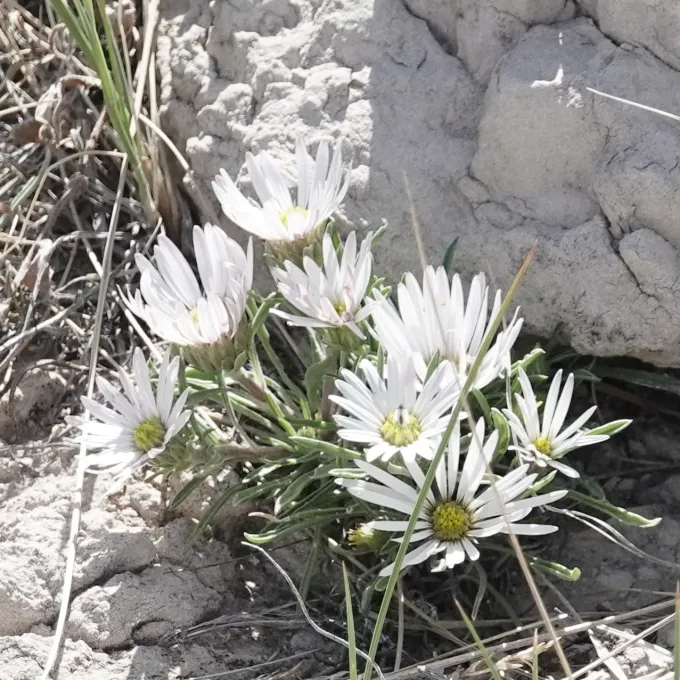
Description
Sowing dates
The sowing of Townsendia grandiflora is best performed in the autumn to mimic the natural freeze-thaw cycles of its native environment, which promotes uniform germination of the seeds in early spring.
When using a greenhouse or indoor environment, sow seeds on the surface of a well-draining, sandy seed-starting mix. Do not cover the seeds deeply, as light exposure is necessary to stimulate successful germination.
Maintain consistent moisture during the germination period, but allow the surface of the soil to dry out slightly between waterings to prevent the development of damping-off diseases among young seedlings.
Seedlings should be carefully pricked out into individual small pots once they develop the first set of true leaves, taking care to minimize disturbance to the delicate taproot system.
Transplanting into the garden should occur once the risk of severe frost has passed. Ensure that the young plants are placed in a location where they will receive unobstructed sunlight for the majority of the day.
Growing requirements
Townsendia grandiflora is a distinct member of the Asteraceae family, originating from the dry, rocky, and open prairie landscapes of the central United States, where it thrives in exposed conditions.
The cultivation of this plant requires a soil profile that provides exceptional drainage. Rocky, gravelly, or sandy substrates are ideal, as they prevent the roots from sitting in stagnant water during the dormant season.
This species is highly intolerant of rich, heavy organic soils that retain moisture for extended periods, as these conditions rapidly lead to physiological stress and subsequent root rot in the plant.
It is exceptionally hardy and capable of surviving extreme temperature fluctuations, making it well-suited for rock gardens or xeric landscapes that do not require frequent irrigation during the summer months.
Optimal growth is achieved in neutral to slightly alkaline pH environments, which mirror the mineral-rich soils found in its native geographical range within the Great Plains region.
Main diseases and pests
Root and crown rot represent the most significant threats to Townsendia grandiflora. These issues are almost exclusively caused by excessive soil moisture and poor drainage in the root zone.
Pests such as aphids may occasionally congregate on the flower heads during the blooming season, extracting sap and potentially reducing the plant's overall vigor if infestations are left unchecked.
Powdery mildew can occur in environments with poor air circulation and high humidity, particularly when the foliage remains wet for extended periods following summer rainstorms or heavy morning dew.
Small soil-dwelling larvae may cause damage to the root system if the planting site has not been properly cleared of weeds or debris, emphasizing the importance of a clean cultivation area.
To mitigate these threats, gardeners should prioritize creating a gravel mulch layer around the base of the plant, which keeps the foliage elevated and dry while promoting rapid water evaporation.