
Townsendia incana
Townsendia incana
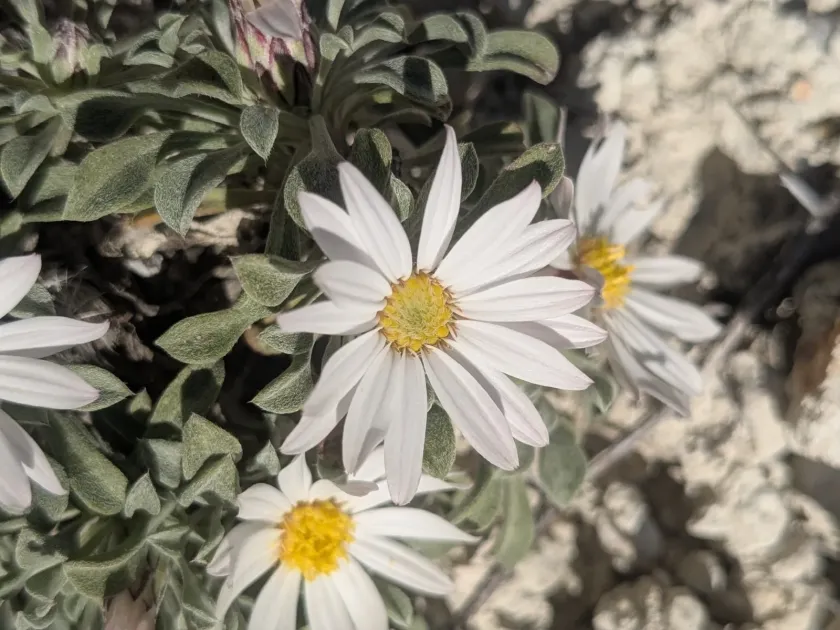
Description
Sowing dates
Seeds are best sown in the autumn, allowing them to undergo natural stratification throughout the winter months. This cycle of cold temperatures is vital for breaking seed dormancy and ensuring successful germination in the spring.
If spring sowing is necessary, seeds should be pre-stratified in a refrigerator for at least 4–6 weeks. Sowing without stratification often results in poor or uneven germination rates, as the seeds require cold treatment.
Seeds should be sown on the surface or lightly pressed into a well-draining grit substrate. Because they require light to germinate, covering them with a thick layer of soil will inhibit their development.
During the germination phase, it is crucial to keep the substrate lightly moist but never waterlogged. Once the seedlings develop their first true leaves, they should be spaced or transplanted into individual containers to develop their taproots.
Patience is required with this culture, as growth is typically slow during the first growing season. Focusing on root development during this stage ensures the plant establishes the necessary tolerance for future environmental stressors.
Growing requirements
Townsendia incana, commonly known as hoary townsendia, is a perennial flowering plant belonging to the Asteraceae family. Native to the mountainous and desert regions of North America, it is highly adapted to harsh, arid, and rocky environments.
The plant is distinguished by its silvery, hairy foliage, which provides excellent drought tolerance and gives it a unique aesthetic appeal. It grows in small, compact rosettes, producing daisy-like flowers that range in color from white to soft lavender.
This species thrives in full sun exposure. It is essential to choose a planting site that receives unobstructed sunlight throughout the day to maintain the plant's dense, low-growing form and encourage vigorous flowering.
Soil requirements are strict regarding drainage. It demands loose, gritty, or sandy soil with a neutral to slightly alkaline pH. Heavy, clay-based soils that retain moisture for prolonged periods will almost certainly lead to root failure.
The plant is extremely hardy and resilient to temperature fluctuations. It performs best in environments that mirror its native habitat, characterized by sharp drainage, low humidity, and a period of winter dormancy.
Main diseases and pests
The primary threat to Townsendia incana in cultivation is root rot resulting from excess moisture or poor drainage. Excess water around the crown is particularly dangerous, especially during wet winters or rainy autumns.
Fungal pathogens can spread quickly if the foliage remains wet for extended periods. To mitigate this risk, it is recommended to apply a top dressing of fine gravel or crushed stone around the plant base to improve airflow.
Insect pests are generally minimal, but aphids may occasionally infest young flower buds during the peak growing season. Early detection and mechanical removal are usually sufficient to control minor infestations.
Maintaining proper hygiene by removing dead foliage and debris from around the plant crown is essential for overall health. This practice significantly reduces the risk of sheltering pests or fungal spores during dormancy.
In cases where environmental conditions are suboptimal, providing physical protection against heavy rainfall or excessive irrigation is the most effective way to prevent plant decline and ensure long-term viability.