
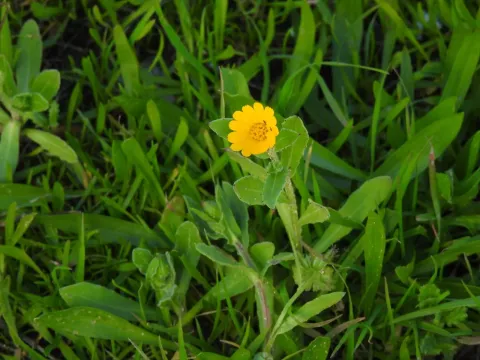
Algerian marigold
Calendula algeriensis
The Algerian marigold (Calendula algeriensis) is an annual herbaceous plant belonging to the Asteraceae family. This species is closely related to the common pot marigold, yet it has evolved specific adaptations to thrive in the more arid environments of North Africa, primarily within Algeria.
What the section contains
Algerian marigold
In its native habitat, the plant prefers open, sunny locations with light, well-drained soils. It shows remarkable resilience to drought conditions and is capable of growing in nutrient-poor soils, making it a robust candidate for cultivation in arid or semi-arid agricultural regions.
Optimal growth requires high light intensity. The plant is particularly sensitive to waterlogging, as excessive moisture can lead to root rot and other fungal diseases. Therefore, choosing a field with proper drainage or planting on raised beds is essential for maintaining plant health.
Botanically, the species is characterized by branched stems, pubescent leaves, and golden-yellow or orange flower heads. The fine hairs on the foliage serve a critical biological function by reducing water evaporation through transpiration and shielding the plant's cells from heat stress.
Agricultural management includes regular inter-row cultivation to ensure soil aeration and weed control. Although the crop is drought-tolerant, supplemental irrigation during the peak flowering stage is beneficial for maximizing the yield and quality of the flower heads used for medicinal purposes.
Sowing of Algerian marigold seeds is typically carried out in the spring when soil temperatures reach 10–12 degrees Celsius. Depending on the local climate, this usually occurs in mid-spring, allowing the seedlings to utilize residual moisture for rapid establishment.
For commercial production, a row spacing of 40–50 cm is recommended. This configuration facilitates ease of care and allows for the potential use of mechanical tools during the harvesting of the flower heads at the peak of the flowering phase.
Seeds should be sown at a depth of 1–2 cm. Under optimal conditions, germination occurs within 7 to 10 days. Avoiding overcrowded planting is crucial, as high plant density restricts airflow, which significantly increases the risk of foliar diseases during the growing season.
While the plant is capable of self-seeding, systematic annual sowing is preferred in commercial agriculture to maintain crop uniformity and ensure optimal harvest timing. Controlled sowing also allows for better management of plant spacing, contributing to higher overall crop productivity.
After initial germination, thinning is performed to maintain a distance of approximately 25 cm between plants. This spacing ensures adequate light and nutrient availability for every plant, promoting the development of larger, more vibrant flower heads rich in essential bioactive compounds.
Harvesting the Algerian marigold is a recurring process that continues throughout the entire blooming season. Flower heads are collected when they are fully open but have not yet lost their vibrant color, as this indicates the highest concentration of phytochemicals.
Harvesting is usually done by hand or with specialized combs to pick the flowers efficiently. Frequent harvesting is a key agricultural practice that stimulates the plant to produce new buds, thereby significantly extending the blooming period and increasing total yields per hectare.
Post-harvest, the flowers must be dried immediately to prevent degradation. Drying should be conducted in shaded, well-ventilated areas at temperatures not exceeding 45 degrees Celsius, with the materials spread in thin layers to ensure uniform moisture loss and product quality.
The harvested product is utilized in the pharmaceutical and cosmetic industries for its wound-healing and anti-inflammatory properties. Furthermore, the extracts are valued for their natural pigments, used as coloring agents in food processing and skincare formulations.
Proper storage is essential to maintain the quality of the dried material. The product should be kept in airtight containers away from direct light and humidity. When stored correctly, the dry marigold flowers retain their pharmacological activity and market value for up to two years.
Despite its robustness, the Algerian marigold can be susceptible to common Asteraceae pests and diseases. Powdery mildew is the most frequent issue, especially in environments with high humidity and poor air circulation, manifesting as a white fungal coating on the leaves.
Aphids often target young shoots and flower stalks, potentially deforming the buds and reducing yields. Integrated pest management, including monitoring and the use of targeted biological controls, is essential to protect the crop without compromising its medicinal quality.
Root rot caused by over-irrigation or heavy, poorly drained soil is another significant threat. To prevent this, growers must focus on field selection and crop rotation, avoiding planting marigolds in areas where other Asteraceae crops were cultivated recently to avoid soil-borne pathogens.
Bacterial leaf spot can develop during periods of prolonged rainfall. Affected plants should be removed immediately to prevent the spread of the infection to healthy portions of the crop. Strict adherence to sanitary agricultural practices is the best prevention against these threats.
- Proper irrigation management
- Regular weed removal
- Early detection of aphid infestations
- Use of well-drained soil
- Adherence to appropriate crop rotation