
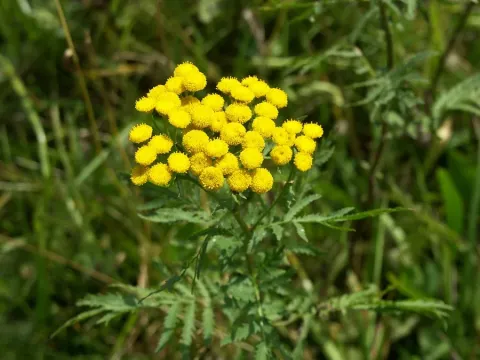
Tanacetum hybrids
Tanacetum hybrids
Sowing of Tanacetum hybrids is typically performed in early spring once soil temperatures reach 10 degrees Celsius. Due to their small seed size, they require shallow sowing at a depth of no more than 0.5 centimeters to ensure successful germination and emergence.
What the section contains
Tanacetum hybrids
For professional agricultural cultivation, starting seedlings in a nursery or greenhouse is highly recommended. This practice allows plants to establish a robust root system before being transplanted into the open field, significantly increasing survival rates.
Autumn sowing is also viable in temperate climates. Placing seeds in the ground during late autumn enables them to undergo natural stratification, often leading to earlier and more vigorous growth once the spring season arrives.
Spacing is a critical factor during transplanting. Maintaining a distance of 30 to 40 centimeters between plants allows for sufficient airflow, which is essential to prevent fungal diseases from establishing in the dense foliage of mature plants.
Initial weed control is essential after planting. Since young Tanacetum hybrids grow slowly during their first weeks, removing competing vegetation helps the plants establish dominance in the plot and ensures uniform crop development.
Tanacetum hybrids thrive in full sun conditions, which is crucial for maximizing the production of their characteristic secondary metabolites and essential oils. Partial shade may lead to leggy growth and reduced potency of the plant.
Well-drained, sandy loam soils are ideal for this crop. The plants are sensitive to waterlogged conditions, which can lead to root rot; therefore, selecting a site with good drainage or implementing raised beds is a standard agricultural practice.
While the plants can tolerate a range of soil pH, they generally prefer neutral to slightly acidic conditions. Regular soil testing and the addition of balanced organic amendments or mineral fertilizers will promote vigorous vegetative development.
Maintenance tasks include regular inter-row cultivation to keep the soil aerated and weed-free. This improves oxygen availability to the root zone and helps manage moisture levels effectively throughout the growing season.
Though established plants demonstrate good drought tolerance, providing supplemental water during the peak blooming phase is necessary to maintain high biomass yields and ensure the development of healthy, high-quality inflorescences.
The yield potential of Tanacetum hybrids reaches its peak around the third year of cultivation. During this period, the plants reach full maturity and express their maximum vegetative capacity for harvest.
On well-managed agricultural plots, yields of dried raw material typically range between 1.5 and 3.5 metric tons per hectare. Variations in yield are often attributed to soil fertility, planting density, and the specific hybrid characteristics of the cultivar used.
These perennials can remain productive on the same site for 5 to 7 years. After this duration, rejuvenation or crop rotation is necessary, as older plants tend to become woody, resulting in smaller flowers and reduced harvest yields.
Strategic harvesting of flower heads can stimulate secondary blooming if conditions remain favorable. By preventing seed set early in the season, farmers can often perform a second harvest later in the year, boosting overall seasonal productivity.
Quality management is essential, as the market value is driven by the concentration of active compounds. Proper monitoring of bloom stages ensures that the harvest occurs at the point of peak essential oil accumulation.
Tanacetum hybrids possess natural insecticidal properties, which naturally deter many pests. However, they are not immune to all threats, particularly in instances where soil health or environmental conditions are suboptimal.
Powdery mildew is the most common concern, especially in humid and stagnant air conditions. To manage this, growers should ensure proper spacing to promote air circulation and avoid overhead irrigation during late afternoon hours.
Aphids and certain moth larvae may occasionally infest young shoots. In commercial settings, the use of biological control agents or soft, insecticidal soaps is preferred to maintain the integrity of the herbal product and ensure residue-free harvests.
Root rot caused by stagnant water is the primary disease risk. Preventing this requires diligent irrigation management and selecting sites with adequate natural drainage to prevent the soil from remaining saturated for extended periods.
Routine scouting of the fields is the best defense. Identifying disease pressure early allows for localized management, such as removing affected plants, which prevents the spread of pathogens to the rest of the commercial plantation.
Harvesting should occur when the flower heads are fully open but before they begin to fade or produce seeds. Harvesting at the peak of bloom captures the highest levels of active components, which is the primary objective of commercial growers.
The stems are typically cut 15-20 centimeters from the ground. Modern agricultural equipment can be adapted for mass harvesting, reducing labor costs and ensuring that the product is processed quickly after being gathered.
Post-harvest handling is critical to quality. The material must be spread thinly in well-ventilated drying facilities at temperatures not exceeding 45 degrees Celsius to prevent chemical degradation and moisture-related damage.
Once dried, the product should be stored in moisture-proof containers in a cool, dark location. This storage method preserves the aroma, color, and biological efficacy of the material for extended periods of time.
Quality control during storage involves periodic checks for moisture content and pests. Maintaining these strict standards ensures that the final product meets market specifications and retains its shelf life for retail or further processing.