
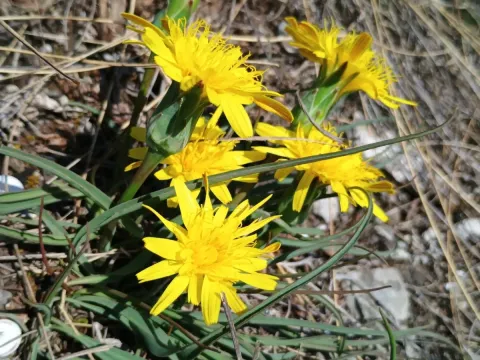
Takhtajaniantha
Takhtajaniantha
Takhtajaniantha is a perennial herbaceous plant belonging to the Asteraceae family. Successful sowing requires careful site selection and preparation, typically occurring in the early spring when the soil temperature consistently reaches 12–15 degrees Celsius.
What the section contains


Takhtajaniantha
Before sowing, seeds should undergo a period of cold stratification for 4-6 weeks to break dormancy and ensure uniform germination. Seeds are sown at a shallow depth of 1-2 centimeters to maintain optimal moisture levels for the emerging radicle.
Row spacing should be approximately 30–45 centimeters apart to allow for proper airflow and development of the basal rosette. Proper spacing is crucial to prevent the onset of fungal diseases that thrive in crowded conditions.
In the initial growth phase, consistent moisture is required to establish a deep root system. Once the plants are established, they exhibit significant drought tolerance, though supplemental irrigation remains beneficial during extreme heat waves.
Thinning the seedlings is a necessary step to remove overcrowded plants and ensure that each specimen has sufficient access to light and soil nutrients. This selection process promotes a more vigorous and healthy final crop stand.
This crop thrives in well-drained, sandy or loamy soils with a neutral pH. It is highly sensitive to waterlogged conditions, which can quickly lead to root rot; therefore, selecting an elevated site or ensuring effective drainage is mandatory.
Exposure to full sunlight is essential for the plant’s biological processes and the quality of its secondary metabolites. Shaded or semi-shaded environments will result in spindly growth and a lower overall biomass yield.
Takhtajaniantha is well-adapted to environments with significant diurnal temperature ranges. Its growth is most vigorous in the 20–28 degree Celsius range, allowing it to flourish in mountain-adjacent plains and open fields.
Soil nutrient management should focus on balanced NPK ratios, with a slight emphasis on phosphorus and potassium to encourage robust root and foliage structure. Over-fertilization with nitrogen should be avoided to prevent excessive succulence.
The plant demonstrates good resilience to environmental stress factors, including wind and temporary water deficits. However, to maximize economic yield, keeping the crop free from competing weed species is the most effective management strategy.
Fungal pathogens such as powdery mildew represent the primary disease threat, particularly during periods of high humidity. Improving air circulation by managing plant density is the most effective cultural control method.
Insect pests including aphids and mites can cause significant damage to the leaf tissue. Integrated pest management, focusing on biological controls and minimal chemical intervention, is recommended to preserve the quality of the harvested material.
Root rot, frequently associated with Pythium or Fusarium species, is a common threat in poorly drained soils. Preventive measures include thorough field preparation and strict adherence to crop rotation practices to minimize soil-borne pathogens.
Weed interference is a major limiting factor for crop success during the first two months of development. Mechanical cultivation between rows is recommended until the crop canopy closes and begins to suppress weed growth naturally.
Monitoring for signs of nutrient deficiencies, such as chlorosis, is vital. Correcting soil imbalances early in the season prevents weakened states that make the plants more susceptible to subsequent infestations by pests.