
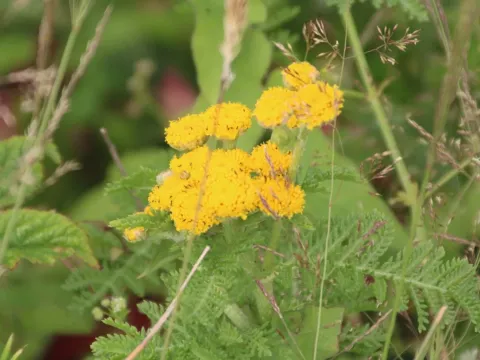
Tanacetum bipinnatum
Tanacetum bipinnatum
Tanacetum bipinnatum is best propagated by sowing seeds in early spring when the soil temperature consistently reaches 10–12 °C, ensuring rapid germination.
What the section contains
Tanacetum bipinnatum
The seeds are small and should be sown at a shallow depth of approximately 1 centimeter, covered lightly with fine soil to maintain adequate moisture levels.
Transplanting seedlings started in greenhouse conditions is a common practice to achieve uniform stand density and protect young plants from early season weeds.
Space the rows 45 to 60 centimeters apart to allow for proper airflow and effective mechanical weed control throughout the growing cycle of the plant.
For optimal results, prioritize well-drained, weed-free seedbeds, as early competition can significantly suppress the development of this hardy perennial.
This species, belonging to the Asteraceae family, thrives in sunny locations with full exposure to daylight, which is essential for essential oil accumulation.
It prefers well-drained sandy or loamy soils with a neutral pH level, avoiding heavy clay soils that may trap excess water around the roots during winter.
The plant is highly adaptable to various climatic conditions but requires moderate moisture during the vegetative stage to maximize biomass production.
Nitrogen-based fertilizers applied in early spring can boost initial growth, while potassium applications support the overall hardiness of the plant structure.
Proper field maintenance includes regular soil aeration through cultivation, which prevents crust formation and promotes deep root system development.
The primary diseases affecting this crop are powdery mildew and rust, both of which are exacerbated by high humidity and poor circulation in dense fields.
Insect pests such as aphids and leaf beetles often target the foliage; integrated pest management strategies are recommended to mitigate these risks.
Using bio-based fungicides early in the season can significantly reduce the pressure of fungal pathogens without compromising the environmental safety of the crop.
Maintaining a crop rotation cycle and clearing crop debris post-harvest are crucial steps in reducing the overwintering potential of common fungal spores.
Overwatering is a hidden threat, as it can encourage root rot pathogens to proliferate, leading to stunted growth and reduced essential oil yield.
The harvesting of flowering heads should be conducted during peak bloom, when the concentration of bioactive compounds is highest for industrial extraction.
Mechanical harvesting is generally feasible; the height of the cut should be adjusted to maximize yield while ensuring the longevity of the perennial crown.
Post-harvest processing requires immediate drying in a controlled environment to prevent heat damage or rapid oxidation of the sensitive essential oils.
Drying temperatures must be strictly managed to remain below 40 °C, ensuring the color and potency of the botanical material are preserved for market demand.
Storage should take place in cool, dark, and dry conditions to prevent degradation, utilizing breathable packaging to maintain the shelf life of the final product.