
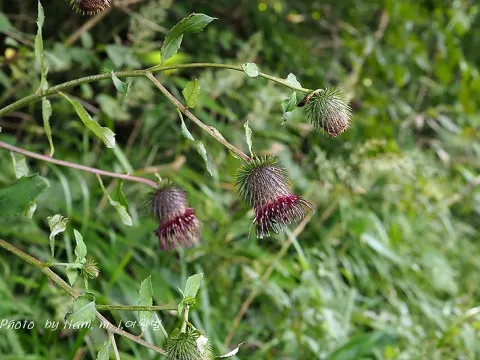
Synurus
Synurus
Synurus belongs to the perennial herbaceous plants of the Asteraceae family. In agricultural practice, seeds are mainly sown in the spring, once the soil temperature reaches 10-12 degrees Celsius.
What the section contains


Synurus
For high-quality germination, the seeds require stratification, which is best performed in cool conditions before sowing. The optimal sowing depth is no more than 1-2 centimeters, ensuring sufficient oxygen access for the developing sprouts.
In commercial cultivation, both drill and wide-row sowing methods are used, depending on the intended use of the aerial biomass or roots. It is crucial to ensure optimal plant density to prevent competition for sunlight and nutrients.
Propagation is also possible via vegetative methods by dividing rhizomes in autumn or early spring, which often yields faster results in crop development. This allows for the establishment of high-productivity plantations in a short period.
The chosen site for sowing must exclude waterlogging, as young seedlings are sensitive to excess moisture in the first weeks after emergence.
The crop prefers well-lit areas with moderate moisture levels. Despite its high ecological plasticity, the best growth performance is observed in light, fertile loams with a neutral or slightly acidic soil reaction.
The plant shows moderate drought resistance, but during critical growth phases, especially the budding period, it requires supplemental irrigation to achieve a marketable yield. Excessive nitrogen fertilization can lead to stem lodging and a decrease in the quality of active substances in the plant.
Synurus is quite winter-hardy and capable of withstanding significant temperature drops in temperate climates. In northern regions, mulching the root system in winter is recommended to prevent freezing in the absence of sufficient snow cover.
A key factor is maintaining weed-free fields, especially in the first year of the crop's life. Synurus grows slowly at the start of its cycle, requiring systematic weeding and inter-row loosening to prevent suppression by weeds.
To obtain stable yields, annual application of phosphorus-potassium fertilizers is necessary, which contributes to strengthening the root system and increasing the plant's overall vitality.
The yield of aerial biomass depends on the plantation's age and the agronomic background. Maximum productivity is reached in the second or third year of vegetation, once the plants have fully formed their vegetative apparatus.
Under intensive cultivation technology, the output of dry raw material may vary depending on planting density and nutrient regimes. Regular pruning of spent flower heads helps extend the growing season and increase green mass output.
Economic use includes the application of the plant as a medicinal raw material containing valuable bioactive compounds. The potential for using Synurus in ornamental gardening and landscape design is also being explored due to its expressive flower heads.
Harvesting is performed mainly during the full flowering phase, when the concentration of useful substances peaks. Proper drying in shaded, ventilated rooms allows for the preservation of product quality and prevents spoilage.
Remaining root systems during plantation renewal can be processed, as they also accumulate significant amounts of pharmacologically active components.
Synurus possesses natural immunity to many typical agricultural crop diseases; however, in dense plantings, outbreaks of fungal infections such as powdery mildew may occur.
In high-humidity conditions, the root system can be affected by various types of rot. Prevention includes crop rotation and treating plantings with biological fungicides at the first sign of infection.
Among pests, leaf-eating insects and aphids pose the greatest threat, potentially damaging young leaves at the beginning of the growing season. The use of insecticides must be strictly limited to certain development phases to avoid pesticide accumulation in the raw material.
Slugs and snails can cause serious damage to young plants, making the control of mollusk populations in adjacent areas a crucial component of agronomic maintenance.
Utilizing resistant varieties and creating optimal ventilation within the plantation are the best methods for disease control without relying on heavy chemicals.
Harvesting is carried out in dry weather, which is critical for preventing mold during storage. The aerial part is mowed at a height of 10-15 centimeters from the soil surface.
The cut raw material must be promptly moved to drying facilities, as self-heating of the harvested mass leads to rapid loss of quality. The optimal drying temperature is 40-45 degrees Celsius with forced ventilation.
If rhizomes are being harvested, they should be dug up in autumn after vegetation ceases, when nutrients are maximally concentrated in the underground organs. They must be thoroughly cleaned of soil, washed with running water, and chopped for drying.
The harvested product is sorted by fraction, and all foreign impurities and parts of other plants are removed, ensuring compliance with quality standards for further distribution.
Storage of dried raw materials is performed in dry, dark, and well-ventilated warehouse facilities, using bags or specialized containers that prevent moisture and pests from entering.