
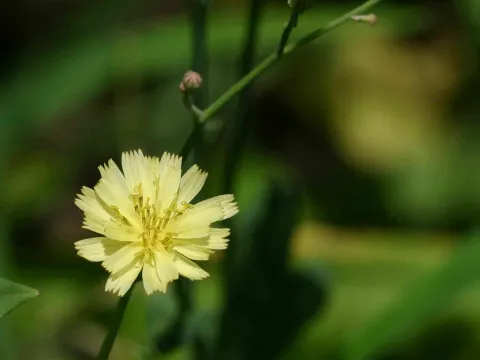
Horned Sowthistle
Sonchus cornutus
Horned Sowthistle (Sonchus cornutus) is a member of the Asteraceae family. This perennial herb is primarily native to parts of Africa, showing significant resilience to variable environmental conditions.
What the section contains
Horned Sowthistle
The plant thrives in well-drained, fertile soils with a neutral pH. It is characterized by its ability to persist in semi-arid environments, making it a potentially valuable crop for specific agricultural regions where water conservation is essential.
Botanically, it features a robust taproot system that facilitates efficient water and nutrient uptake. Its foliage is serrated, which helps the plant optimize gas exchange and manage transpiration under heat stress.
Optimal growth is achieved under consistent sunlight and moderate temperatures. The crop requires sufficient space for canopy development to maximize photosynthetic output and total green matter yield.
In agricultural practice, this plant is evaluated for its forage value. It provides a reliable source of nutrients for livestock, especially in periods when other conventional pastures may lack productivity due to environmental stress.
The main threats to this crop include fungal pathogens that proliferate in high humidity, such as powdery mildew. Maintaining proper air circulation within the canopy is a critical management strategy.
Insect pests such as aphids can cause significant damage by feeding on nutrient-rich sap. Early detection and monitoring are essential to prevent rapid infestation during the peak growing season.
Competition from invasive weed species can suppress the growth of young plants. Mechanical weeding during the initial development phase is recommended to ensure the crop establishes successfully.
Integrated Pest Management (IPM) practices are encouraged to maintain long-term crop health. This includes the use of resistant varieties and crop rotation to interrupt the life cycles of common field pests.
If chemical interventions are necessary, they should be applied judiciously, ensuring compliance with local regulations for forage crop safety to avoid chemical residues in animal feed.