
Sinacalia tangutica
Sinacalia tangutica
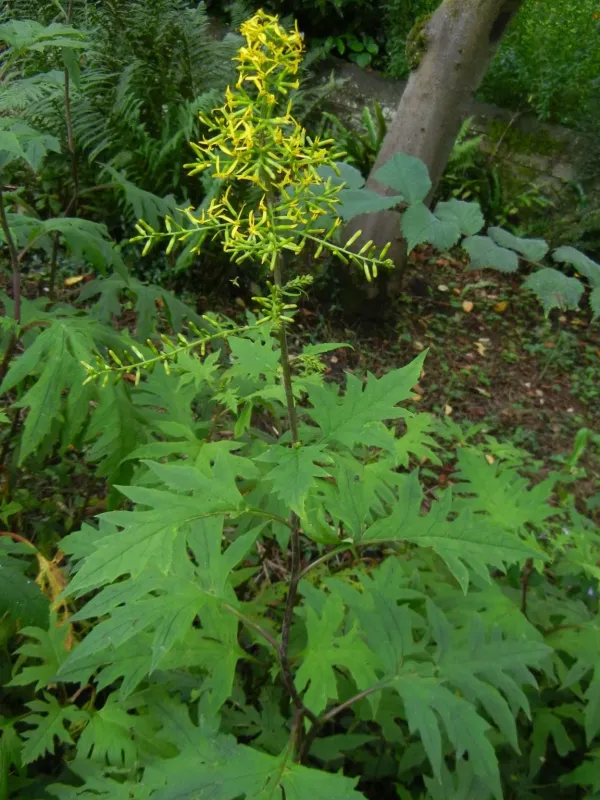
Description
Sowing dates
Sinacalia tangutica is a perennial herb belonging to the Asteraceae family. It is known for its robust growth and is commonly propagated via seeds, which require specific conditions to germinate effectively.
Sowing in open ground should occur in mid-spring once the risk of frost has passed. The soil temperature should be consistently warm to facilitate uniform germination and prevent seed rot in cool, damp conditions.
Starting seeds indoors in late winter is a preferred method for gardeners in regions with shorter growing seasons. Using a sterile seed-starting mix ensures the young seedlings are protected from soil-borne diseases.
Once seedlings have developed two sets of true leaves, they should be hardened off before transplanting into the garden. This process involves gradually introducing them to outdoor temperatures over a week.
Planting spacing is crucial for this species; maintaining a distance of at least 50–60 cm ensures that each plant receives adequate sunlight and ventilation, preventing the development of fungal issues.
Growing requirements
Sinacalia tangutica thrives in locations with full sun to partial shade. While it is adaptable, providing at least 6 hours of direct sunlight per day promotes stronger stems and more prolific flowering.
The ideal soil is fertile, well-draining, and rich in organic matter. While it prefers moist soil, it does not tolerate waterlogging, as standing water can quickly lead to root decay and overall plant failure.
Consistent irrigation is vital during the establishment phase and throughout the dry summer months. Mulching around the base of the plant helps retain soil moisture and suppresses competitive weed growth.
Fertilization should be balanced. A high-nitrogen fertilizer in the spring supports leaf growth, while a switch to a high-potassium formula before flowering encourages the development of healthy, vibrant blooms.
Winter care involves protecting the crown of the plant in colder climates. Applying a thick layer of organic mulch after the first frost helps insulate the root system against extreme temperature fluctuations.
Main diseases and pests
Powdery mildew is the most common fungal problem for Sinacalia tangutica, usually appearing in humid conditions with poor air circulation. Improving spacing and airflow is the best preventative strategy.
Aphids and spider mites are frequent pests, particularly during hot, dry spells. They cluster on the undersides of leaves and on developing buds, sucking plant juices and weakening the specimen.
Root rot caused by Phytophthora or Pythium species can occur if soil drainage is inadequate. Ensuring that the planting site has been amended with sand or organic material can mitigate this risk.
Slugs and snails can consume young foliage during wet springs. Using copper tape around containers or organic slug bait can effectively manage these pests without harming the local ecosystem.
Integrated pest management should focus on early detection. Regularly inspecting the leaves and stems allows for the removal of localized infestations before they spread to the entire plant population.
Harvesting
For ornamental purposes, harvest the flower stalks when the blooms are fully expanded. Use sterilized pruning shears to ensure clean cuts, which helps the plant heal quickly and reduces infection sites.
If harvesting for medicinal or aromatic use, collect the above-ground parts at the onset of the flowering stage. Dry the material in a shaded, well-ventilated area to preserve the chemical integrity of the plant.
Seed harvesting should be performed when the seed heads turn dry and brown. Place paper bags over the heads to catch falling seeds, as wind dispersal is very common for members of the Asteraceae family.
Roots can be harvested in late autumn after the foliage has died back naturally. The roots must be cleaned of all debris and dried in a dehydrator at low temperatures to prevent spoilage.
Post-harvest cleanup is essential for the health of the garden bed. Remove all dead stalks and debris to prevent overwintering pests and pathogens from affecting next year's crop growth.