
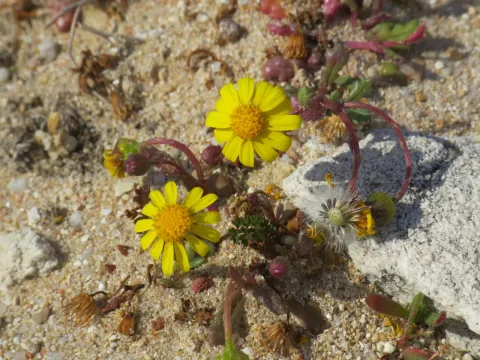
Senecio transiens
Senecio transiens
Senecio transiens belongs to the diverse Asteraceae family and is recognized for its unique biological characteristics. This species is often cultivated in Mediterranean climates where it thrives in open, sunny environments.
What the section contains
Senecio transiens
Sowing should be performed in early spring as soil temperatures reach a stable level. Propagation is commonly achieved through seeds, which require consistent moisture and sufficient light to initiate germination effectively.
The optimal planting density should allow for adequate airflow between individual plants. If starting indoors, seedlings should be hardened off before being transplanted into the permanent outdoor location to ensure successful establishment.
Proper soil preparation, incorporating organic amendments, is crucial for early development. Shallow planting ensures that the seeds are not buried too deeply, promoting a higher success rate for uniform seedling emergence.
Throughout the initial growth phase, maintaining a weed-free zone around the plants is essential. As the root system develops, the plant becomes more resilient to environmental fluctuations and begins its primary vegetative stage.
Senecio transiens requires full sunlight exposure to maintain its growth structure and health. Inadequate light results in etiolated growth and reduced vitality, making site selection the most important factor in the cultivation process.
Well-draining, porous soil is necessary for optimal root health. The plant does not tolerate waterlogging, which often leads to root rot; therefore, incorporating sand or grit into heavier soils is recommended for better drainage.
Watering frequency should be balanced according to the local climate and evaporation rates. During active growth, consistent moisture is beneficial, but the soil should be allowed to dry slightly between waterings to encourage deep root penetration.
The ideal temperature for Senecio transiens ranges from 18 to 25 degrees Celsius. While it can withstand moderate heat, extreme conditions may necessitate occasional supplemental irrigation to mitigate thermal stress during the peak of summer.
Nutrient management involves applying a balanced fertilizer once or twice during the growing season. Excessive nitrogen should be avoided to prevent over-luxuriant, weak growth that may attract unwanted pests and diseases.
The primary pests affecting this species include aphids and spider mites. These insects thrive in dry environments and can quickly infest the foliage, leading to visible damage and reduced aesthetic appeal if left untreated.
Fungal issues such as powdery mildew may occur if air circulation is poor or if humidity levels remain consistently high. Proper spacing and careful watering practices are the first lines of defense against these types of pathogens.
Integrated pest management (IPM) strategies, including the use of neem oil or insecticidal soaps, are effective for managing infestations while maintaining environmental safety. Regular monitoring of leaf surfaces is essential for early detection.
Cultural practices such as removing dead or dying leaves prevent the accumulation of debris that can harbor disease-causing organisms. Keeping the planting area clean is a simple yet effective way to maintain plant health.
In cases of severe infestation, systemic fungicides or targeted pesticides should be used in accordance with the manufacturer's instructions, ensuring the safety of beneficial pollinators in the vicinity.