
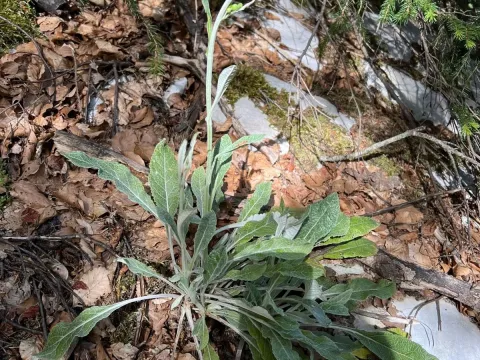
Senecio thapsoides
Senecio thapsoides
Senecio thapsoides is a perennial herbaceous plant belonging to the large Asteraceae family. It is distinct for its dense tomentose (woolly) hair coverage on leaves and stems, which provides a unique silver-grey aesthetic and adaptation to harsh environments.
What the section contains
Senecio thapsoides
The plant originates from mountainous regions, typically occupying rocky slopes and meadows. Its natural habitat is characterized by well-drained substrate, intense solar radiation, and significant temperature fluctuations between day and night.
For cultivation purposes, this species requires very well-drained, sandy, or rocky soil with a low to neutral pH. It is essential to avoid heavy, clay-rich soils that retain moisture, as the plant is highly susceptible to root rot in damp conditions.
The plant demonstrates excellent drought tolerance due to its anatomical features, which reduce water loss. In agricultural or ornamental settings, irrigation should be minimal, focusing on providing just enough water to prevent wilting during extreme heat waves.
Regarding its utility, Senecio thapsoides is primarily valued as an ornamental specimen for rock gardens and xeriscaping. Its compact size and silvery foliage make it an excellent choice for contrasting with darker green plants in arid garden designs.
The primary threat to the vitality of Senecio thapsoides is fungal disease associated with high humidity. Fungi such as Pythium can compromise the root system quickly if the drainage is inadequate or if rainfall is persistent during the growing season.
Powdery mildew is a common foliar issue, particularly in late summer when moisture levels fluctuate. Providing adequate space between plants is a crucial cultural practice to ensure airflow and reduce the humidity around the foliage.
Aphids can frequently infest the flower buds and new growth. These pests extract sap, weakening the plant and potentially vectoring viral diseases. Periodic inspection and localized insecticidal soap treatments are recommended for management.
Spider mites are another potential pest, especially in hot and dry climates. They cause stippling on the leaves and can lead to premature senescence if left uncontrolled, so maintaining proper plant vigor is essential for natural resistance.
Slugs and snails may occasionally graze on the foliage, particularly in younger plants. Surrounding the plants with a layer of grit or sharp gravel helps to deter these mollusks and also assists in keeping the foliage clean and dry.