
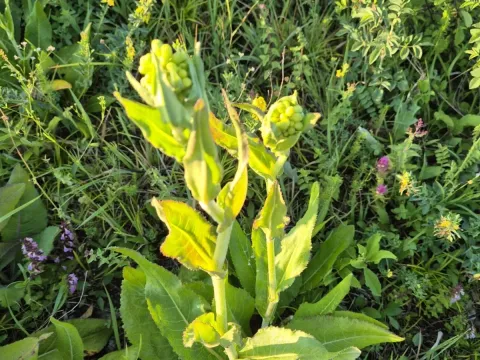
Senecio umbrosus
Senecio umbrosus
Senecio umbrosus is a herbaceous perennial plant belonging to the Asteraceae family. Known for its ability to thrive in shaded environments, it is primarily found in woodland margins and forest clearings.
What the section contains
Senecio umbrosus
The cultivation of this plant requires well-drained, nutrient-rich soil. It performs best in loam-based substrates that can retain moisture while allowing excess water to drain away from the root system.
Climatic requirements involve moderate temperature ranges and protection from direct, intense sunlight, which can scorch the foliage. It favors temperate regions with consistent humidity throughout the growing season.
Agronomic management focuses on maintaining soil aeration and moisture balance. Regular weeding and precise irrigation are essential to promote robust growth and high foliage quality.
Nutrient supply should be carefully managed; excess nitrogen may lead to rapid, succulent growth that is more susceptible to environmental stress, so a balanced NPK ratio is recommended during active development.
The primary threats to Senecio umbrosus include fungal pathogens such as powdery mildew, which thrive in stagnant, humid air. Proper spacing is essential to ensure adequate airflow within the plant canopy.
Common pests include aphids and spider mites, which can cause significant damage by feeding on the sap. Integrated pest management strategies, including the use of biological controls, are highly effective.
Root rot represents a significant risk if the soil becomes waterlogged. To prevent this, drainage must be improved through the addition of organic matter or physical structural changes to the planting bed.
Early detection of disease symptoms is critical for minimizing losses. Regular scouting of fields allows for targeted treatment rather than prophylactic chemical application, supporting more sustainable farming.
Furthermore, maintaining soil health through crop rotation helps prevent the buildup of soil-borne pathogens. Protecting the plants from mechanical damage during cultivation is also vital to reduce entry points for secondary infections.