
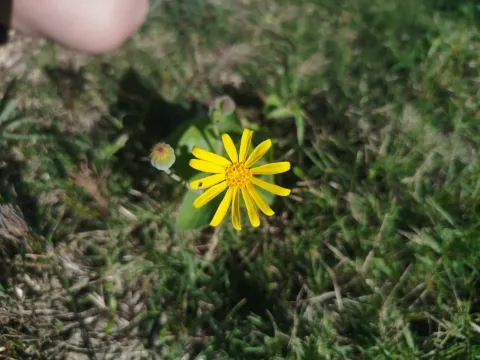
Senecio ruwenzoriensis
Senecio ruwenzoriensis
Sowing Senecio ruwenzoriensis should be performed in the spring, allowing for a long growing season. Seeds require a well-draining seed-starting mix to ensure successful germination without risk of fungal damping-off.
What the section contains
Senecio ruwenzoriensis
Maintain temperatures between 18 and 22 degrees Celsius for optimal germination results. Using a heated germination mat can significantly improve consistency and speed of sprout emergence in cooler spring environments.
The seeds are small and should be sown on the surface of the soil with a very light dusting of medium. Proper moisture management is essential during this stage, typically achieved by covering the tray with a clear dome to maintain humidity.
Gradual acclimation of seedlings to ambient air is necessary before the final transplanting. This hardening process helps the plants develop thicker cuticles and stronger stems, improving their survival rate.
Transplanting into the permanent garden site occurs when all danger of frost has passed. Spacing is crucial, with at least 40 cm between specimens to allow for proper foliage development and air circulation.
This species thrives in full sun, which is necessary for maintaining its structural integrity and color. In regions with extremely high summer temperatures, partial afternoon shade can prevent leaf scorching.
Soil structure is the most important factor in the success of this crop. The ground must be porous and provide excellent drainage; rocky or sandy loam is ideal to mimic its natural montane environment.
Watering requirements are relatively low. The plants possess succulent-like qualities and prefer to dry out somewhat between watering sessions to prevent the development of root-borne pathogens.
Annual fertilization with a balanced, slow-release fertilizer at the start of the season is usually sufficient. Avoid excessive nitrogen applications, which can encourage weak, succulent growth that is prone to mechanical damage.
- Hardiness: Best suited for temperate and warm climates.
- Soil pH: Neutral to slightly acidic.
- Watering: Infrequent but deep.
The most significant threat to Senecio ruwenzoriensis is waterlogged soil, which invites root rot and crown rot. Proper soil composition is the best preventative measure against these conditions.
Aphids and spider mites are common pests that tend to cluster on new growth. Regular monitoring of the underside of leaves is recommended for early detection and control.
Fungal leaf spot diseases can occur during prolonged periods of high humidity. Improving airflow around the plants and avoiding overhead irrigation can significantly reduce the risk of infection.
Slugs and snails may occasionally damage the lower foliage, especially in moist or mulch-heavy gardens. Setting up physical barriers or using non-toxic bait can help manage these populations.
Regular sanitation of the garden area, including the removal of dead or decaying plant material, is essential for minimizing the build-up of potential disease vectors throughout the season.