
Senecio rosinae
Senecio rosinae
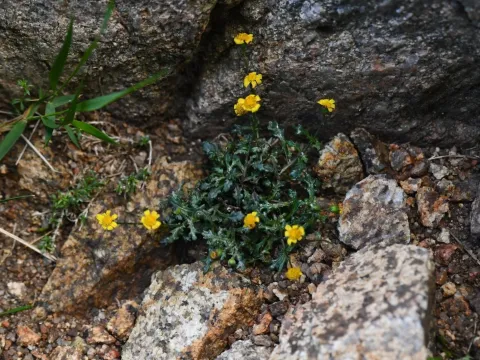
Senecio rosinae is a perennial succulent species belonging to the Asteraceae family. This plant originates from rocky habitats, having evolved to thrive in environments with low nutrient availability and high exposure to sunlight.
What the section contains
Senecio rosinae
The botanical features of this species include thickened, succulent leaves designed to store water during periods of drought. Its root system is relatively delicate and requires highly permeable, well-draining soil to prevent moisture-related physiological disorders.
Light requirements for this crop are significant. Proper development depends on exposure to direct or intense filtered light; insufficient lighting leads to etiolation, where stems become elongated, weak, and lose their characteristic compact growth pattern.
Climate preferences involve moderate temperatures during the active growth phase, followed by a cooler resting period. The plant does not tolerate frost, making it suitable for year-round outdoor cultivation only in specific warm climates, while greenhouse or indoor cultivation is preferred elsewhere.
Standard cultivation practices require precise watering, allowing the growing medium to dry out completely between irrigation cycles. Fertilization should be performed sparingly using formulas specifically balanced for succulents to avoid excessive vegetative growth.
The primary threat to Senecio rosinae is the presence of pathogenic fungi, often triggered by overwatering or inadequate air circulation. Root rot is the most devastating issue and typically occurs when the soil remains constantly moist.
Common insect pests include mealybugs, which tend to congregate in the leaf axils, draining plant sap and potentially transmitting viral diseases. Early intervention with suitable contact or systemic insecticides is highly recommended.
Spider mites are another frequent problem, especially when the plant is grown in low-humidity environments. These pests can cause significant damage to the leaf epidermis, leading to a loss of vigor and unsightly discoloration.
Maintenance of high hygiene standards, such as removing fallen debris from the soil surface, significantly reduces the risk of pest infestation. Proper spacing ensures that plants receive adequate airflow, inhibiting the growth of mold.
If rot is detected early, pruning the affected areas with a sterile blade can save the specimen. After pruning, it is vital to keep the plant dry to allow the wounds to callous naturally before resuming any light watering.