
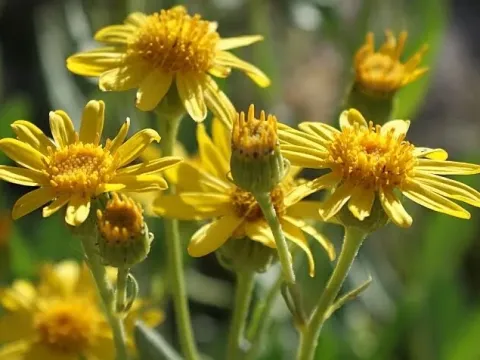
Senecio quinqueradiatus
Senecio quinqueradiatus
Senecio quinqueradiatus is a perennial herbaceous plant belonging to the Asteraceae family. Known for its adaptability, it occupies a distinct niche in botanical studies and potential agricultural applications involving specialized flora.
What the section contains
Senecio quinqueradiatus
The plant thrives in well-drained, fertile soils with a neutral pH balance. It requires significant sunlight for optimal photosynthetic activity and biomass production, making it unsuitable for shaded agricultural environments.
Climate requirements include a stable temperate environment. While it is hardy in many zones, it is sensitive to waterlogging, which can cause significant physiological stress to the root system during the early stages of growth.
Modern agronomic practices for this species focus on precision fertilization. Supplemental nitrogen during the vegetative phase significantly enhances leaf development, whereas potassium is critical during the budding phase.
Careful management of soil moisture is essential. Drip irrigation is recommended to minimize water loss and ensure that the root zone remains consistently moist but not saturated, preventing common physiological disorders.
Aphids represent a primary pest challenge for Senecio quinqueradiatus, often congregating on the stems and developing flower buds. Integrated pest management, including the introduction of natural predators, is the preferred control method.
Powdery mildew often affects plants subjected to poor air circulation. The white fungal mycelium reduces the plant's ability to undergo photosynthesis, eventually weakening the entire specimen if left untreated.
Root rot, specifically caused by Pythium species, is a serious threat in waterlogged soils. Ensuring high-quality drainage systems and avoiding over-irrigation are key preventative measures against these pathogens.
Leaf miners can cause structural damage to the foliage, creating serpentine tunnels that reduce the plant's overall vigor. Removal of infested leaves is an effective mechanical way to manage the localized population.
Rust infections, characterized by orange pustules on the leaf undersides, can appear during periods of high humidity. Timely application of fungicides and proper sanitation of the field are essential to maintain crop productivity.