
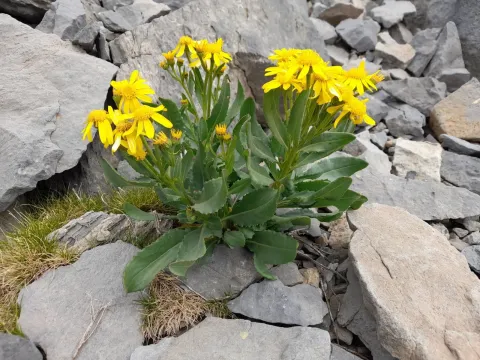
Senecio pyrenaicus
Senecio pyrenaicus
The cultivation of Senecio pyrenaicus typically begins with seeds sown in a controlled environment to ensure high germination rates. Seeds should be sown on the surface of a light, well-draining substrate, as they require light to germinate effectively.
What the section contains
Senecio pyrenaicus
Optimal sowing time is early spring, which allows the seedlings to establish a strong root system before the warmer months. Maintaining a consistent temperature of around 18-20°C is crucial for uniform development of the young plants during their initial growth phase.
Pricking out the seedlings into individual containers once the first true leaves appear is a necessary step to promote healthy development. This procedure prevents root overcrowding and ensures that each plant receives adequate nutrients and space for growth.
Transplanting into the permanent growing site should take place only after the risk of frost has completely passed. The plants should be spaced correctly to ensure sufficient airflow, which is critical for reducing the incidence of foliage-related diseases.
Vegetative propagation via root division is another viable method for established plants, allowing for the preservation of desirable traits. This should be performed during the dormant season or early spring to minimize stress on the plant.
Senecio pyrenaicus thrives in locations that offer full sun exposure, which is essential for maintaining a compact form and abundant blooms. In environments with extreme afternoon heat, light shading may be beneficial to prevent leaf scorch.
The soil should be fertile, well-draining, and slightly neutral to acidic in composition. Poorly drained soils must be improved with organic matter or grit to ensure that water does not accumulate around the root zone, as the plant is susceptible to rot.
Water management is a key aspect of agronomic care, requiring moderate moisture levels. While the plant appreciates regular hydration during the active growing season, it is vital to avoid constant waterlogging, which often leads to root decay.
In terms of nutrition, moderate application of balanced fertilizers during the spring encourages vegetative development. It is advised to avoid high-nitrogen fertilizers that could lead to lush foliage but limited floral production.
Regular maintenance, including shallow cultivation of the surrounding soil, helps improve aeration. This practice also assists in moisture retention while preventing the growth of invasive weeds that may compete for resources.
Aphids and spider mites are the most common pests affecting Senecio pyrenaicus, particularly in warm, dry weather. These insects cause damage by feeding on cell sap, which can lead to weakened plants and stunted growth.
Fungal pathogens such as powdery mildew represent a significant threat, especially when plants are grown in overcrowded conditions with poor air circulation. Symptoms include a white, powdery layer on the leaves, which can impede photosynthesis.
Integrated pest management, including the use of systemic fungicides and selective insecticides, is recommended to keep infections under control. Monitoring the plants regularly is the best strategy for detecting problems early.
Sanitation practices, such as the removal of dead or diseased foliage, are essential to minimize the spread of pathogens. Keeping the growing area free of debris helps maintain a healthier environment for the entire crop.
Using biological controls when possible is recommended to protect beneficial insects while maintaining the health of the plants. Always follow manufacturer guidelines when applying any chemical treatment to ensure safety and effectiveness.