
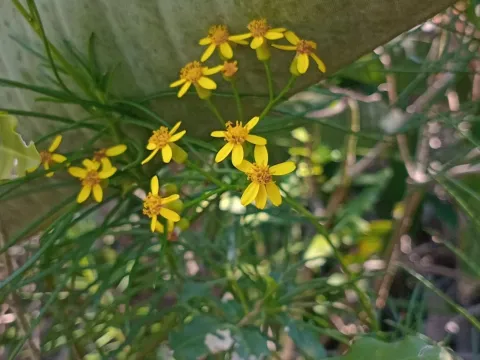
Senecio linifolius
Senecio linifolius
Senecio linifolius is a herbaceous perennial plant belonging to the Asteraceae family. It is known for its distinct botanical structure, featuring narrow, flax-like leaves that are highly characteristic of the species and contribute to its visual identity in agricultural settings.
What the section contains
Senecio linifolius
The plant thrives in regions with well-drained, sandy-loam soils. It requires full sunlight to achieve optimal growth and biomass production. Proper site selection is crucial to avoid low-lying areas where water accumulation could damage the root system over time.
Climatic requirements for Senecio linifolius include a moderate temperature range. While the plant possesses some degree of drought tolerance, consistent moisture levels during the early stages of development are essential for establishing a robust root system.
Agrotechnical practices involve maintaining soil fertility through systematic application of organic or mineral fertilizers. Soil aeration, achieved through regular inter-row cultivation, helps to promote healthy root expansion and improves nutrient uptake from the soil matrix.
The crop cycle is marked by a vegetative phase followed by flowering, which is critical for biomass harvesting. Managing the plant's spacing is vital to prevent overcrowding, which facilitates airflow and reduces the risk of moisture-related fungal infections within the canopy.
Common threats to Senecio linifolius include fungal diseases such as powdery mildew, especially during seasons with high humidity. These pathogens primarily affect the foliage, reducing the overall photosynthetic area and weakening the plant's health.
Pests like aphids and spider mites are frequent challenges during the growing season. These insects feed on the sap of young stems and leaves, causing stunted growth and potentially spreading various phytoviruses that can result in significant crop yield loss.
Effective pest management involves integrated approaches, including the use of pheromone traps and biological predators. Early identification of pest populations is crucial to prevent infestations from spreading throughout the entire field area.
Crop rotation serves as a fundamental preventive measure against soil-borne pathogens. Avoiding the monoculture of Asteraceae species helps to disrupt the life cycle of specialized pests and soil-dwelling fungi that thrive on host plants from the same family.
Regular field scouting is recommended to ensure the plant's health. Any signs of nutrient deficiency or physical damage should be addressed immediately to maintain the quality of the raw material, as this is essential for the commercial value of the crop.