
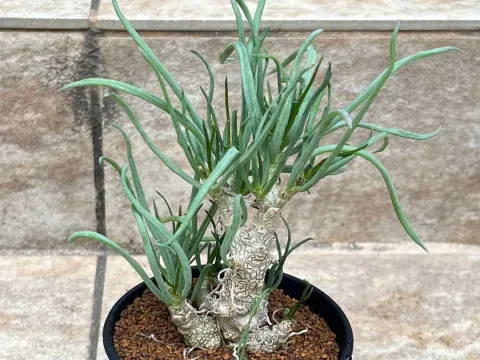
Senecio laticipes
Senecio laticipes
Sowing seeds of Senecio laticipes is typically planned for early spring when day length begins to increase steadily. The end of March is considered the optimal period for starting the vegetation phase, as young plants are highly sensitive to insufficient natural lighting.
What the section contains
Senecio laticipes
The seeds are characterized by a fairly high germination rate provided that a stable ambient temperature of 20–22 degrees Celsius is maintained. It is important not to bury the seeds deep in the soil, but rather cover them lightly with sand or vermiculite to maintain adequate moisture levels.
Utilizing light, well-draining substrates based on peat and perlite helps prevent root system decay at the germination stage. Crops must be covered with plastic to create a greenhouse effect, which significantly reduces the time until the first sprouts appear.
After two true leaves appear, seedlings are subjected to mandatory transplanting into individual containers. This prevents competition between young plants and contributes to the formation of a stronger root system within the limited growing space.
Adherence to the watering regime after germination plays a decisive role in the development of the crop. Excessive moisture at the rosette formation stage leads to stem elongation and the loss of the plant's characteristic compact appearance.
Senecio laticipes belongs to the Asteraceae family and is a succulent perennial plant adapted to arid growing conditions. Its biology requires high light intensity throughout the entire growing season.
The plant prefers loose sandy or rocky soils with low organic content and a neutral pH level. Stagnant water in the root zone is fatal for this species, so drainage should occupy at least a quarter of the pot volume for planting.
Temperature conditions should be moderately warm in the summer, with a mandatory reduction to 10–12 degrees during the winter dormancy period. Sharp temperature fluctuations negatively affect the turgor of the plant's fleshy leaves.
Fertilization is carried out strictly during the active growth phase using specialized mixes for succulents. High concentrations of nitrogen fertilizers are contraindicated, as they provoke lush growth and reduce the plant's overall resistance to disease.
In its natural habitat, the distribution area is associated with arid zones, which determines the plant's high resistance to moisture deficit. In agronomic conditions, it is crucial to ensure ventilation, as stagnant humid air promotes the development of fungal infections.
The primary threat to Senecio is root rot, which occurs when agronomic practices are violated. Overwatering during low-temperature periods leads to the rapid death of the root system, which is often impossible to restore.
Among pests, mealybugs are the most common, settling in the axils of the fleshy leaves. They suck cell sap, which leads to the deformation of leaf plates and the overall suppression of the plant's growth.
Spider mites can damage the crop in conditions of excessively dry and stagnant air. Their activity appears as small light spots on the leaves, which eventually merge into large necrotic zones, depriving the plant of its commercial appeal.
To combat insects, the use of systemic insecticides is recommended, as they effectively deal with pests hiding in leaf folds. However, when applying, one should avoid getting chemicals on the soil to prevent disrupting the substrate's microflora.
Disease prevention consists of strictly following watering schedules and regular inspection of plantings to detect infection foci early. Timely removal of affected plant parts helps to stop the spread of infection to neighboring specimens.