
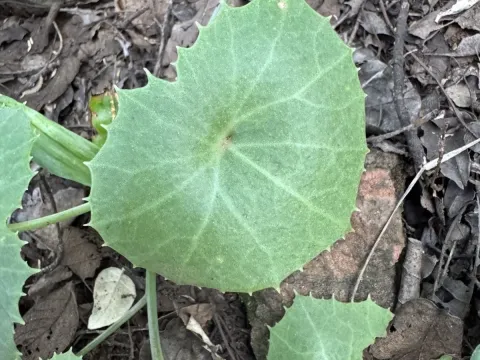
Senecio oxyriifolius
Senecio oxyriifolius
The sowing of Senecio oxyriifolius is best performed during the spring season to ensure the seedlings have a long period of active growth before winter.
What the section contains
Senecio oxyriifolius
Seeds should be distributed evenly on the surface of a porous, well-draining substrate, as deep burial can inhibit successful germination.
Maintaining a consistent temperature of around 20 degrees Celsius is critical for the initial establishment of the young root systems.
Proper hydration during the first weeks after sowing is essential, using a fine spray to keep the soil surface moist without washing the seeds away.
Transplanting the seedlings to individual pots or designated field areas should be done carefully to avoid damaging the delicate, succulent stems.
Senecio oxyriifolius, a member of the Asteraceae family, is a drought-tolerant succulent adapted to environments with high light intensity.
The soil requirements focus heavily on excellent drainage, as the roots are highly susceptible to rotting in heavy or waterlogged clay soils.
Full sun to partial shade is the optimal light condition, allowing the plant to maintain its characteristic structure and leaf coloration.
Watering practices should follow the soak-and-dry method, ensuring the soil completely dries out between irrigation events to prevent root decay.
Agricultural maintenance includes minimal fertilization, as high levels of nitrogen can lead to excessive, succulent growth that is prone to breakage.
Root rot is the most significant threat to Senecio oxyriifolius, typically caused by overwatering or soil mixes with poor drainage capacity.
Mealybugs are common pests that hide in the crevices between leaves, damaging the plant by feeding on its sap and leaving behind residues.
Aphid infestations can occur during the flowering season, targeting the buds and reducing the overall reproductive success of the plant.
Spider mites may affect the plants when kept in excessively dry and poorly ventilated greenhouse conditions, causing leaf discoloration.
Integrated pest management, including regular inspection and the use of targeted biological controls, remains the most effective strategy for health.