
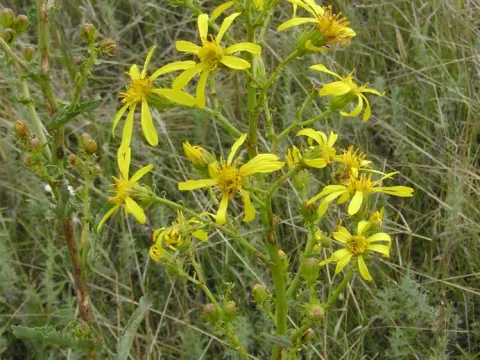
Senecio oligophyllus
Senecio oligophyllus
Sowing Senecio oligophyllus is best performed in early spring when the soil temperature consistently reaches 8–10 degrees Celsius to ensure germination.
What the section contains
Senecio oligophyllus
The seeds should be sown in prepared, fine-textured soil beds to guarantee that the small seeds maintain adequate contact with the surrounding earth.
Proper spacing is essential for this species to allow for sufficient air circulation and to facilitate mechanical weeding operations during the early season.
Planting depth should be kept shallow, generally around 1 to 2 centimeters, as the seeds require ambient light to break dormancy effectively.
In greenhouse settings, starting seeds earlier in late winter can provide a significant head start for the growing season before outdoor transplanting.
This crop thrives in well-drained, nutrient-rich soils, preferably with a loamy texture that supports a healthy and expansive root development process.
The plant requires full sun exposure to reach its maximum yield potential and to encourage the synthesis of its essential botanical compounds.
Water requirements remain moderate, but consistent moisture levels during the early vegetative phase are crucial for establishing a robust plant stand.
While the plant is hardy, it benefits significantly from periodic soil aeration to prevent compaction and to promote efficient gas exchange at the root level.
Monitoring the soil pH is recommended, as the plant shows the best performance in slightly acidic to neutral conditions common in agricultural lands.
Powdery mildew is a common concern in dense plantings, often triggered by high humidity levels and insufficient spacing between individual plants.
Aphids represent the primary insect pest, frequently attacking the tender growth tips and potentially transmitting viral diseases to the crop.
Root pathogens can arise if the soil remains waterlogged for extended periods, necessitating careful management of irrigation and drainage infrastructure.
Integrated pest management strategies are advised to maintain crop health without relying solely on chemical interventions during the growth cycle.
- Regular field scouting for early signs of infection.
- Prompt removal of infested plant tissues.
- Maintenance of clean equipment to prevent cross-contamination.
The harvest period typically occurs when the plants are in full bloom, which is the time of peak concentration for the plant's secondary metabolites.
Manual or mechanized cutting should be performed at a standardized height to ensure high-quality material while preserving the field for future cycles.
Post-harvest handling requires rapid transport to drying facilities to prevent metabolic degradation caused by excessive moisture or heat buildup.
Drying must be conducted in low-temperature environments with high airflow to preserve the integrity of the essential components found within the tissues.
Storage of the finished product should take place in climate-controlled areas to ensure stability and quality until the material is processed or shipped.