
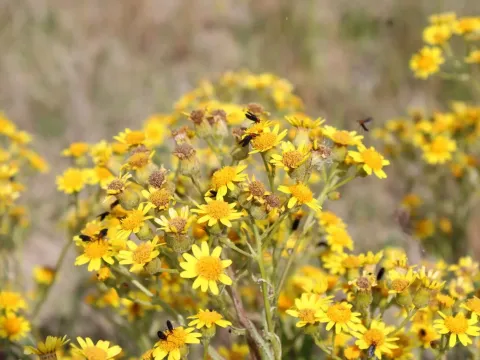
Senecio grisebachii
Senecio grisebachii
Senecio grisebachii is a herbaceous perennial plant belonging to the Asteraceae family. It is primarily native to the South American region, showing strong adaptation to local environmental conditions.
What the section contains
Senecio grisebachii
The plant is characterized by its robust root system and upright growth habit. Its ability to propagate through both seeds and vegetative methods makes it a significant species in its natural habitat.
Botanically, it produces distinctive flower heads typical of the Senecio genus. These structures facilitate effective pollination and seed dispersal, ensuring wide distribution of the species.
While often studied in botanical research, its agricultural application requires careful management. Understanding its lifecycle is key to integrating it properly into any ecological or research-based agricultural system.
The species exhibits vigorous growth in early spring, utilizing stored energy in its root system to quickly establish its presence in the field or wild environment.
This plant thrives in well-drained, nutrient-rich soils with moderate levels of moisture. It does not tolerate prolonged waterlogging, which can lead to root damage.
Light requirements are high, as the plant prefers open locations with full sun exposure. Shaded areas significantly inhibit its growth rate and flowering potential.
Optimal pH levels for growth fall within the slightly acidic to neutral range. Soil structure should be loose to allow proper root development and nutrient uptake.
Temperature management is vital during the germination phase, requiring consistent warmth to ensure high success rates in establishment.
Agricultural practices should prioritize balanced irrigation, especially during the peak of the growing season, to ensure the plant reaches its full reproductive capacity.
Pathogenic fungi present the most significant threat to the plant, particularly in humid conditions where root rots can develop rapidly.
Insect pests such as aphids and leaf miners are common threats, often causing damage to foliage and reducing the overall health of the plant.
- Fungal blight affecting the stems.
- Infestations of sucking insects.
- Competition from invasive weeds.
- Root-knot nematode damage in sandy soils.
Integrated pest management strategies are recommended, utilizing a combination of cultural practices and targeted biological control agents.
Monitoring for signs of stress is crucial, as early detection of pests or diseases significantly increases the chances of successful recovery and yield stabilization.