
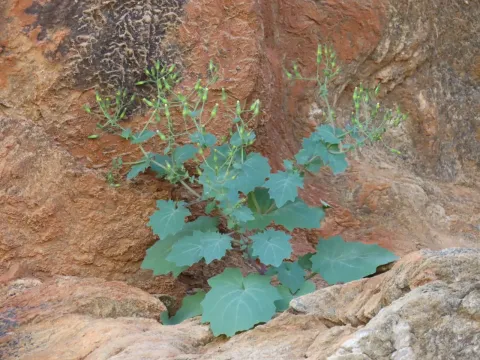
Senecio flavus
Senecio flavus
Senecio flavus belongs to the Asteraceae family, encompassing a variety of species with distinct growth habits. As a cultivated or semi-cultivated plant, it requires specific agronomic conditions to achieve optimal biomass development.
What the section contains
Senecio flavus
The sowing process is best initiated in early spring when the soil temperature rises sufficiently. High-quality seeds with good germination energy are essential for establishing a healthy population in the field.
Seeds should be sown at a shallow depth, usually around 1 centimeter, to ensure they receive adequate light, which is often a trigger for germination in many species of this genus.
Row spacing should be maintained to ensure proper airflow and light penetration, reducing the risk of competitive stress among individual plants. Weeding in the early stages of growth is crucial for successful establishment.
Consistent care during the germination phase, including moderate soil moisture, will lead to vigorous seedling development. This provides the foundation for a robust mature plant capable of meeting production goals.
The plant thrives in sunny locations with well-drained, light-textured soils. Preventing waterlogging is a primary requirement for the health and longevity of Senecio flavus, as damp soil is detrimental to its roots.
The optimal pH range for this plant is neutral to slightly alkaline. It shows remarkable adaptability to various substrates, including those that are rocky or sandy, where many other species might struggle.
Once established, the plant exhibits significant drought tolerance. However, during the early stages of development, regular irrigation is recommended to ensure the plant builds a strong root system before the dry season.
An average temperature range of 20 to 25 degrees Celsius is ideal for active photosynthesis. Protecting the crop from extreme temperature fluctuations will prevent physiological stress and maintain growth rates.
Balanced fertilization, particularly with phosphorus and potassium, encourages stronger stems and better seed quality, making it a key component of effective crop management for this species.
Fungal diseases, such as powdery mildew, represent a major threat, particularly in humid or stagnant air conditions. Proper ventilation and spacing are the best preventive strategies against such infections.
Insect pests, including aphids and spider mites, are common nuisances that feed on the foliage. Early detection and targeted treatment are vital to prevent large-scale infestation that could degrade plant quality.
Soil-borne pests like wireworms may occasionally damage the root structure. Deep tillage of the field during the off-season helps manage pest populations by exposing their larvae to natural predators.
Maintaining a balanced irrigation schedule is necessary to prevent root rot and other moisture-related diseases. Avoiding overhead watering during peak humidity hours can significantly reduce the incidence of leaf spots.
Integrated Pest Management (IPM) practices, emphasizing biological controls, are highly recommended to ensure the long-term health of the crop while minimizing the use of synthetic chemicals.