
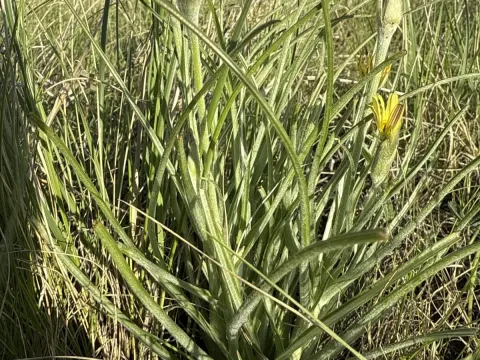
Scorzonera mollis
Scorzonera mollis
Scorzonera mollis is a perennial herbaceous plant belonging to the Asteraceae family. Sowing is typically performed in early spring as soon as soil temperature reaches 5-8 degrees Celsius.
What the section contains
Scorzonera mollis
Late autumn sowing is also a viable option; it allows seeds to undergo natural stratification, often resulting in more vigorous germination early in the spring season.
Seeds should be sown at a depth of 2-3 centimeters into well-tilled soil, ensuring good contact for optimal moisture absorption during the germination phase.
The recommended planting pattern involves row spacing of 30-40 centimeters with a plant-to-plant interval of 15-20 centimeters to allow for root development.
Constant moisture in the topsoil is crucial during the initial seedling establishment phase, as young plants are vulnerable to rapid drying of the substrate.
The crop thrives in open, sunny locations. Shaded conditions significantly inhibit photosynthesis and result in lower quality and smaller size of the root systems.
Ideal soil conditions include deep, loose sandy loams or loams with a neutral to slightly alkaline pH, providing a structure that allows for straight root growth.
While the plant is relatively drought-tolerant due to its deep taproot, moderate irrigation during the peak growing season is essential for maximizing yield.
Soil aeration is a critical factor; compact or waterlogged soils lead to root deformation and increased susceptibility to physiological disorders.
Organic matter should be incorporated into the soil during the previous season, as high levels of fresh nitrogen can cause excessive branching of the taproot.
The primary threats include fungal diseases such as powdery mildew and various types of rot, particularly in conditions of high humidity and poor drainage.
Root-dwelling pests like wireworms and chafer larvae pose a significant risk by creating tunnels within the roots, which drastically reduces marketability.
Aphids frequently attack the foliage during dry periods, weakening the plant and reducing its ability to store energy for root expansion.
Preventative measures, such as strict crop rotation and weed control, are essential to minimize the risk of pest outbreaks and disease transmission.
Integrated pest management strategies are recommended, focusing on cultural practices before relying on chemical control for this edible root crop.
Harvesting usually takes place during the second year of growth, when the roots have fully matured and reached their peak nutritional and sugar levels.
Care must be taken during extraction from the soil; using garden forks is advisable to prevent bruising or breaking the brittle skin of the roots.
Once harvested, the roots should be cleaned, trimmed of excess foliage, and air-dried in a shaded area to promote the healing of minor harvest-related wounds.
Storage in cool conditions, packed in slightly damp sand, is recommended to prevent dehydration and maintain the crisp texture of the roots.
Scorzonera mollis is highly valued in culinary and dietary applications, primarily due to its high inulin content and overall nutritional profile.