
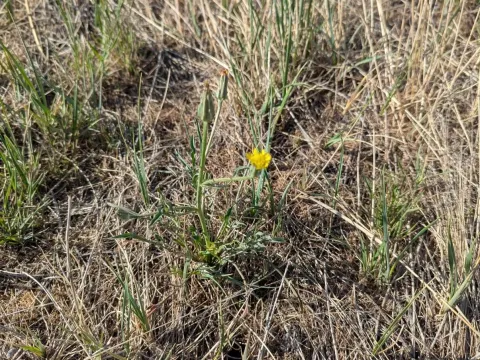
Scorzonera laciniata
Scorzonera laciniata
Sowing Scorzonera laciniata is typically carried out in early spring as soon as the soil can be worked, allowing for a long growth season.
What the section contains
Scorzonera laciniata
Seeds should be planted at a depth of approximately 2 to 3 centimeters to ensure proper germination in moist, fertile garden soil.
Row spacing should be maintained at around 30 to 45 centimeters to provide enough room for weeding and healthy root development underground.
Thinning the seedlings is an essential step, ensuring that each plant has at least 10 to 15 centimeters of space to grow undisturbed.
Proper bed preparation, including removing stones and loosening the soil to a good depth, is crucial for obtaining straight and long roots.
This crop belongs to the Asteraceae family and thrives in well-drained, sandy loam soils that are rich in organic matter and nutrients.
The plant requires full sun exposure to reach its maximum potential and to ensure the proper metabolic processes within the leaves and roots.
Scorzonera laciniata is relatively cold-hardy, making it suitable for temperate regions where frost occurs during the early or late growing seasons.
Consistent soil moisture is beneficial for crop quality, although the plant displays some tolerance to dry periods once established in the ground.
Maintaining a soil pH level between 6.0 and 7.0 is recommended to provide the optimal conditions for nutrient uptake by the root system.
Wireworms represent a significant threat to root crops like Scorzonera, as they burrow into the taproots, causing severe physical damage.
Powdery mildew can infect the foliage during humid conditions, weakening the plant and ultimately reducing the final harvest weight.
Effective crop rotation is the primary strategy to mitigate soil-borne diseases and prevent the buildup of pest populations in the field.
Regular monitoring for pest activity and fungal growth is necessary to manage potential outbreaks before they become widespread throughout the crop.
Integrated pest management, focusing on cultural practices rather than chemicals, is preferred to ensure the product remains safe for consumption.
The harvest phase typically begins in late autumn when the roots have fully matured and reached their optimal size and sweetness.
Careful extraction using garden forks is required to minimize breakage, as damaged roots are prone to rapid spoilage during storage.
Roots should be cleaned of loose soil immediately after harvest and stored in a cool, dark environment to maintain their crisp texture.
- Store in ventilated boxes.
- Keep away from direct heat sources.
- Use cold storage for long-term supply.
The culinary and medicinal value of the plant lies in its high content of inulin and essential minerals, making it a valuable addition to agriculture.