
Sclerocarpus africanus
Sclerocarpus africanus
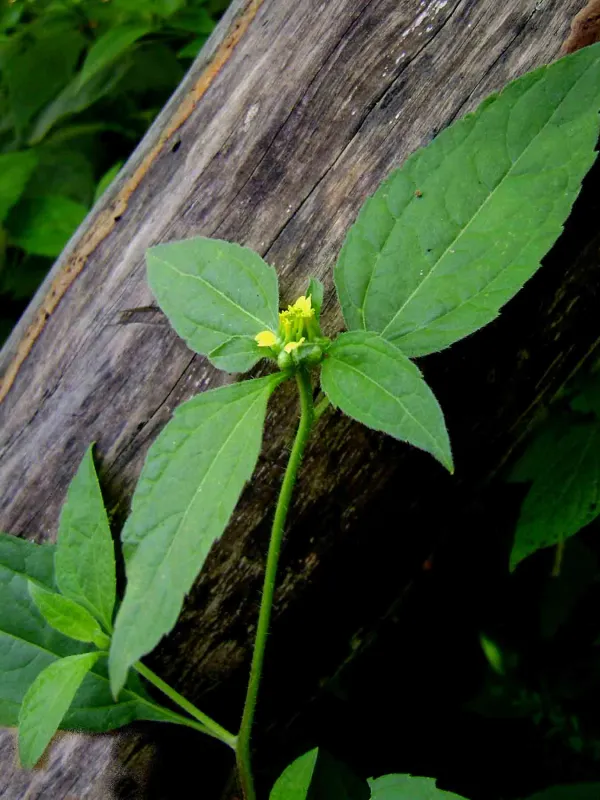
Description
Sowing dates
Sclerocarpus africanus is a thermophilic annual plant, meaning that seeding should only be initiated once soil temperatures reach a stable 15-18 degrees Celsius.
The optimal sowing time occurs at the beginning of the rainy season or late spring, ensuring sufficient moisture for rapid germination and establishment of seedlings.
Seeds require shallow placement in well-prepared, loose soil to prevent stunted growth and ensure efficient emergence of the young plants under field conditions.
A planting density of 20-30 plants per square meter is recommended to achieve an uniform canopy and maximize the biomass production per unit area.
Adhering to proper crop rotation schedules is essential to manage soil health and prevent the buildup of crop-specific pathogens in agricultural plots.
Growing requirements
This crop belongs to the Asteraceae family and demonstrates significant adaptability to various climatic conditions within its native tropical and subtropical ranges.
The plant thrives in well-drained, fertile loamy or sandy soils with a neutral pH, and it is crucial to avoid areas prone to waterlogging or anaerobic soil conditions.
Ample sunlight exposure is a primary requirement for the healthy development of Sclerocarpus africanus, directly influencing its rate of biomass accumulation.
With its deep taproot system, the crop exhibits a reasonable level of resilience to periodic droughts, making it suitable for regions with erratic rainfall patterns.
Strategic application of nitrogen and phosphorus fertilizers at the early stages of development significantly boosts vegetative vigor and total crop output.
Yield
The overall yield of Sclerocarpus africanus is highly dependent on effective crop management, adequate moisture availability, and the nutritional status of the soil.
Under favorable growing conditions and good management, the crop produces a substantial amount of green biomass suitable for livestock forage or organic mulch.
Regular harvesting of the vegetative parts encourages branching, which can lead to multiple cuttings during a single, well-managed growing season.
Timing the harvest is critical; delaying it beyond the optimal stage can lead to excessive lignification of stems, reducing the feed quality of the harvested material.
Seed harvesting should be performed carefully once the heads show signs of maturity to ensure high viability and quality for subsequent planting cycles.
Main diseases and pests
The primary threats to Sclerocarpus africanus include insect pests such as aphids and weevils, which can cause significant damage to young leaves and flowers.
Root rot and other fungal diseases can occur if soil drainage is poor or if high humidity levels are maintained over long periods, promoting pathogen spread.
Integrated pest management strategies, including the use of biological control agents and resistant cultivars, are recommended to minimize losses in production.
Weed control is an essential part of the plant protection process, as weeds can act as vectors for various viral diseases that affect Asteraceae crops.
- Regular inspection of crops to detect early signs of infestation.
- Maintaining optimal planting distances to ensure good air circulation.
- Balanced nutrient management to strengthen overall plant immunity.
Harvesting
Harvesting for fodder is best conducted during the budding phase, when the nutrient content, particularly proteins and minerals, is at its absolute peak.
Mechanical harvesting must be followed by proper drying in windrows to prevent mold formation and ensure the stability of nutrients for long-term storage.
When harvesting for seeds, it is important to wait until the seed heads turn brown and the moisture content drops, facilitating a cleaner threshing process.
Post-harvest cleaning is necessary to remove debris and fine particles, ensuring the final seed lot meets the required standards for storage or trade.
Stored crops should be kept in dry, well-ventilated areas to protect the product from moisture damage and insect infestation during the storage period.