
Sclerocarpus divaricatus
Sclerocarpus divaricatus
Description
Sowing dates
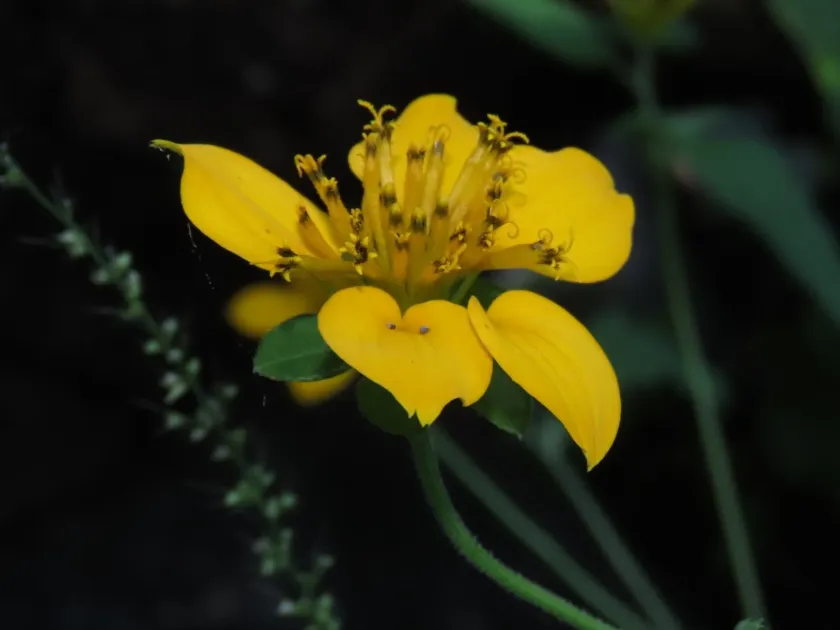
Sclerocarpus divaricatus is a distinct member of the Asteraceae family, recognized for its branching growth habit and botanical characteristics typical of this diverse botanical group.
Effective cultivation begins with selecting a site that receives direct sunlight, as the plant requires significant energy for its robust vegetative development.
Sowing should be scheduled during the warming spring months, ensuring soil temperatures are sufficient to trigger germination and prevent seedling mortality.
Proper seed spacing is essential to ensure that individual plants have adequate access to essential nutrients and moisture throughout their developmental cycle.
Farmers are advised to use precision planting methods to maintain consistent sowing depth, which supports uniform crop establishment across the entire field.
Growing requirements
The crop thrives in well-drained, fertile soil types ranging from loamy to sandy compositions, which facilitate optimal root aeration and healthy plant growth.
While Sclerocarpus divaricatus is relatively hardy, it requires consistent moisture levels to reach its full productive potential, especially during dry spells.
Climate requirements include warm conditions with a lack of frost, as exposure to extreme cold can severely damage plant tissues and stunt growth.
Nutrient management involves applying balanced fertilizers, emphasizing nitrogen for leaf development, while ensuring sufficient potassium for overall plant vigor.
Regular cultivation and weeding practices should be maintained to minimize competition from weeds and keep the soil surface loose for improved water infiltration.
Main diseases and pests
The primary threats to this crop include soil-borne fungal pathogens that can lead to root rot if fields are subjected to chronic waterlogging or poor drainage.
Foliar diseases, such as those caused by moisture-loving fungi, can manifest in humid environments, necessitating careful monitoring and proactive management.
Pest pressures often involve chewing insects that target succulent stems or leaves, potentially causing aesthetic and physiological damage to the crop population.
Integrated pest management strategies are recommended to keep damage below economic injury levels, utilizing both cultural practices and selective insecticides.
Producers should prioritize crop rotation and the destruction of infected plant debris to break the life cycles of common pests and pathogens affecting the field.