
Sclerocarpus phyllocephalus
Sclerocarpus phyllocephalus
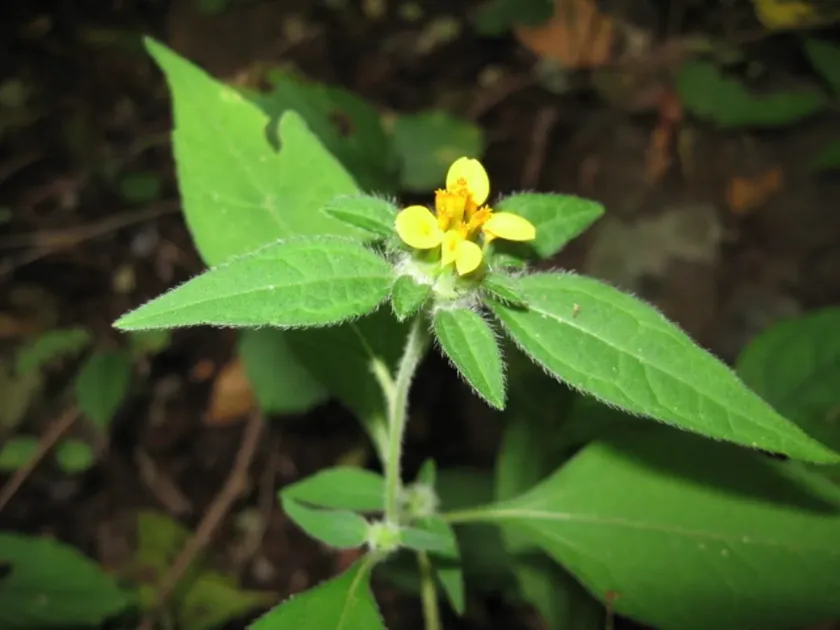
Description
Growing requirements
Sclerocarpus phyllocephalus is a notable species within the Asteraceae family. Known for its robust growth habit, this herbaceous plant serves as a model for studying stress-tolerant crops in various environmental conditions.
Native to the Americas, this species has adapted to diverse climatic zones, ranging from semi-arid regions to more humid tropical environments. Its natural habitat indicates a high level of resilience to fluctuating temperatures and irregular precipitation patterns.
Botanically, the plant is characterized by a sturdy stem structure and distinct, often phyllocephalous (leafy-headed) involucral bracts that define its classification. The root system is deep and expansive, facilitating efficient water uptake during drought conditions.
The crop thrives in well-drained soil types, specifically favoring sandy loams with a neutral pH level. Proper site selection is vital, as excessive moisture accumulation can lead to root degradation and hinder the plant's photosynthetic productivity.
Cultivation requires significant solar exposure to ensure optimal biomass accumulation and successful reproductive cycles. It is highly recommended to manage planting density to allow adequate airflow around the plants, reducing the risk of microbial colonization.
Main diseases and pests
The primary threats to Sclerocarpus phyllocephalus production are fungal pathogens, specifically those causing damping-off or root rot under conditions of poor soil drainage. Maintaining dry, aerated conditions is the most effective preventative measure.
Insect pests, including aphids and various lepidopteran larvae, pose significant risks to foliage integrity and overall yield. Infestations often coincide with periods of environmental stress, making healthy, vigorous plants less susceptible to major damage.
Integrated Pest Management (IPM) strategies should be employed to mitigate these threats effectively. This includes monitoring for early signs of infestation and applying targeted interventions only when thresholds are exceeded to maintain ecological balance.
Cultural practices such as proper weeding and spacing prevent the spread of soil-borne pathogens. Furthermore, ensuring that seeds are of high quality and free from contaminants reduces the initial risk of disease outbreak in the field.
- Constant vigilance for early symptoms of foliar blight.
- Use of resistant varieties where available to improve crop stability.
- Proper field hygiene to remove plant debris that may harbor fungal spores.