
Sclerocarpus coffeaecola
Sclerocarpus coffeaecola
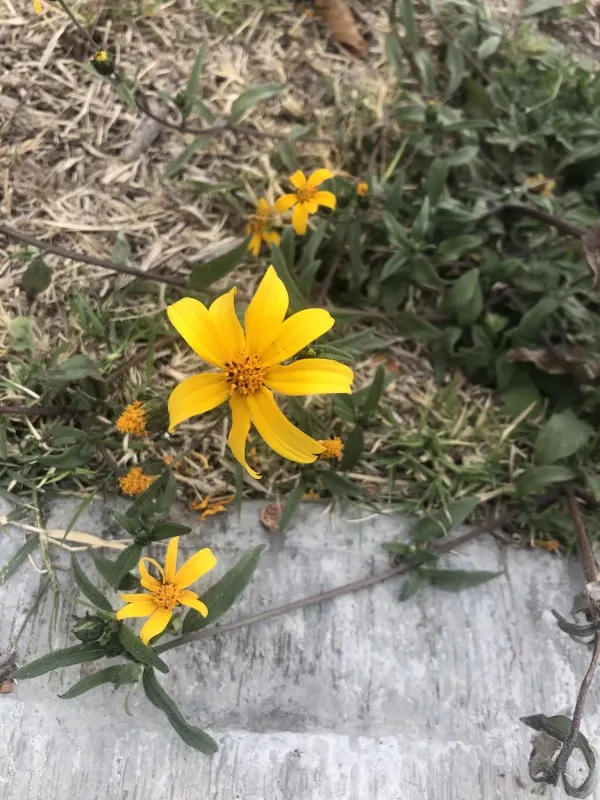
Description
Growing requirements
Sclerocarpus coffeaecola is an annual herbaceous plant belonging to the Asteraceae family. Originating from tropical regions of Africa, this species thrives in warm climates and represents a niche interest for agricultural researchers and botanists.
The plant exhibits distinct botanical features including erect, branching stems and alternate, lanceolate leaves. Its inflorescence, composed of yellow-rayed flower heads, is typical for the Asteraceae family and serves as a vital component for identification.
Optimal growth requires high temperatures and consistent exposure to direct sunlight. In regions with shorter growing seasons, cultivation must be restricted to greenhouse environments or late spring to avoid the impact of cold temperatures.
Soil requirements involve a well-drained, nutrient-rich medium with a neutral pH. The crop does not tolerate waterlogging, as the root system is susceptible to decay if the soil remains saturated for extended periods.
Agronomic management relies on maintaining weed-free rows and providing steady irrigation. Fertilizer application should focus on nitrogen-rich inputs during the vegetative stage, transitioning to phosphorus and potassium for reproductive development.
Main diseases and pests
The plant is susceptible to various fungal pathogens when humidity levels are excessively high. Prevention strategies include ensuring adequate spacing between plants to facilitate air circulation and reducing moisture accumulation on leaves.
Common pests include aphids and mites, which target the tender leaves and shoot tips. Integrated pest management, focusing on early detection and biological control methods, is recommended to minimize chemical reliance in the cultivation of this species.