
Rhodanthemum catananche
Rhodanthemum catananche
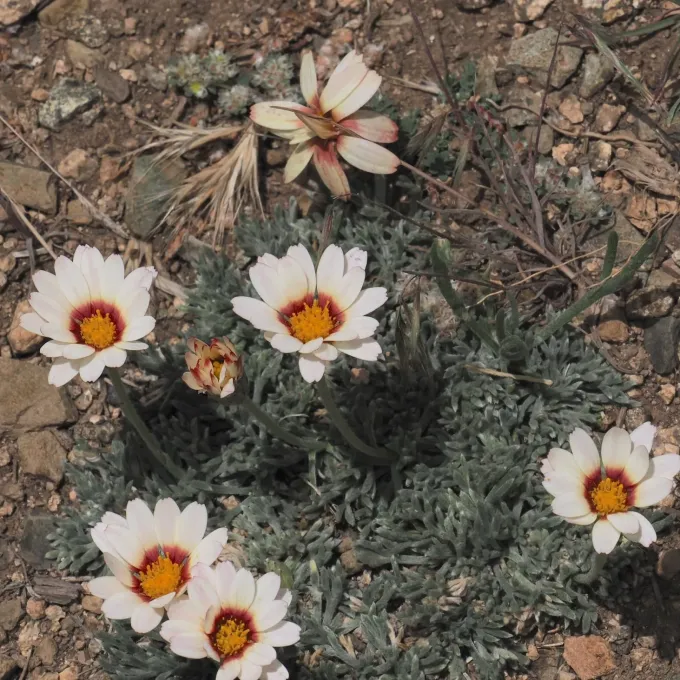
Description
Sowing dates
Sowing Rhodanthemum catananche seeds is typically performed in late winter or early spring in a controlled greenhouse environment. Seeds should be scattered on the surface of a light, well-draining potting medium and pressed gently, as they require light for germination.
The ideal temperature for germination ranges between 18 and 20 degrees Celsius. Consistent moisture is necessary at this stage; however, it is vital to avoid waterlogging the soil to prevent seed rot and damping-off issues in young seedlings.
Pricking out the seedlings into individual containers is recommended once the first true leaves have developed. Ensuring sufficient light intensity during this phase is crucial to prevent etiolation, as sturdy stems are essential for the plant's structural integrity.
Transplanting into the garden should only take place after the last frost has passed. Hardening off the plants by gradually exposing them to outdoor conditions over a week will significantly improve their success rate when established outdoors.
In regions with mild climates, direct sowing can be attempted once the soil has warmed up, though starting indoors usually provides a much more reliable and uniform crop production.
Growing requirements
Rhodanthemum catananche is a perennial herbaceous plant classified within the Asteraceae family. It is native to the mountainous regions of North Africa, where it has evolved to thrive in rocky, well-drained habitats with intense sunlight.
This species requires full sun exposure and performs best in light, sandy, or stony soils. Proper drainage is the most critical factor for cultivation, as the plant is highly susceptible to root damage if left in waterlogged conditions.
The plant is known for its high level of drought tolerance once established, making it an excellent candidate for xeriscaping or dry gardening. It naturally inhabits areas with nutrient-poor soils, meaning excessive fertilization is usually unnecessary.
Soil pH should ideally be neutral to slightly alkaline. Incorporating inorganic materials like gravel or grit into the planting site is a standard agricultural practice to ensure optimal aeration and drainage for the sensitive root system.
Climate-wise, it prefers areas with relatively mild winters, as persistent dampness combined with freezing temperatures can lead to significant plant losses. Protecting the root zone from excessive winter moisture is key to the plant's longevity.
Main diseases and pests
Fungal diseases related to high moisture levels are the most significant threat to Rhodanthemum catananche. Root rot often occurs when the plant is grown in heavy clay soils or if the planting site does not allow for adequate water runoff.
Aphids can sometimes infest the developing flower buds and foliage, especially during periods of rapid spring growth. Monitoring and applying insecticidal soap or biological controls are standard measures to manage these populations effectively.
Root-knot nematodes may occasionally cause localized stunted growth and reduced vigor. Implementing strict sanitary practices and selecting reputable, disease-free starting material helps mitigate the risk of nematode infestation.
Slugs and snails may feed on the tender foliage during rainy weather. Physical barriers, such as copper tape or gravel mulching, are often sufficient to deter these pests and protect the health of the plants.
Maintenance of healthy plants relies heavily on site selection and cultural hygiene. Providing enough space between plants ensures better air circulation, which naturally suppresses the development of various pathogens and keeps the foliage dry.