
Billy buttons
Pycnosorus globosus F. L. Bauer ex Benth.
Description
Sowing dates
Pycnosorus globosus, commonly known as Billy buttons or drumsticks, is typically started from seeds indoors in late winter or early spring. This allows the plants to establish a strong root system before the warm growing season begins.
The seeds require light for germination, so they should be sown on the surface of the growing medium and only lightly dusted with fine vermiculite or perlite. Maintaining a consistent temperature between 20–24 degrees Celsius is crucial.
Seedlings usually emerge within 14 to 21 days. It is vital to maintain moderate moisture, as the young sprouts are susceptible to damping-off if the soil remains constantly waterlogged.
Once the first pair of true leaves appears, the seedlings should be pricked out into individual pots. Providing good ventilation during this stage helps prevent fungal issues in the greenhouse or indoor environment.
Transplanting into the garden should only occur after all danger of frost has passed. Hardening off the plants over a week is essential to prevent shock when moving them to the outdoor environment.
Growing requirements
As a member of the Asteraceae family, Billy buttons are highly adapted to sunny conditions. They require full sun exposure, meaning at least 6 to 8 hours of direct sunlight per day for optimal growth and flowering.
The soil must be well-draining, preferably sandy or loamy. They thrive in poorer soil conditions and do not require heavy fertilization, as nutrient-rich soils can cause floppy, weak stems.
While the plant is considered drought-tolerant once established, supplemental watering is necessary during prolonged dry spells to ensure the development of high-quality, long-lasting flower heads.
Good air circulation is essential for the health of the plant. Avoid overcrowding the plants, as trapped moisture between leaves can lead to the rapid development of powdery mildew and other pathogens.
The plant performs best in regions with hot, dry summers. It does not tolerate high humidity well, which can cause both foliage disease and poor flower quality.
Yield
The yield of this crop is measured by the number of marketable, spherical flower heads produced per plant. A healthy, mature plant can typically produce 10 to 20 sturdy stems during a single growing season.
For commercial cut flower production, a planting density of approximately 15 to 20 plants per square meter is recommended to balance yield per unit area with individual plant health.
Flowering begins in mid-summer and can continue until the first frosts. Regular harvesting of finished blooms encourages the plant to produce more flower stalks throughout the season.
To ensure high quality, it is important to monitor the stems for strength and straightness. Proper spacing ensures that each plant receives enough light to produce robust, high-value stems.
Billy buttons are highly valued in the floristry industry due to their long vase life and their exceptional ability to hold color and shape when dried, making them a profitable crop.
Main diseases and pests
The primary threats to Pycnosorus globosus include various soil-borne pathogens, particularly root rot, which are triggered by poorly draining soil and excessive irrigation practices.
Powdery mildew is a significant risk, especially during periods of high humidity or poor air circulation. It manifests as a white, dusty coating on the leaves and can reduce the aesthetic quality of the crop.
Pests such as aphids and spider mites can infest the plants, particularly during hot and dry weather, causing leaf deformation and stunted stem development.
Preventative management is the best approach, focusing on site selection, proper spacing, and avoiding overhead watering, which creates conditions favorable to fungal growth.
Integrated pest management, including the use of targeted insecticides and fungicides, should be applied only when necessary to protect the marketability of the flower stems.
Harvesting
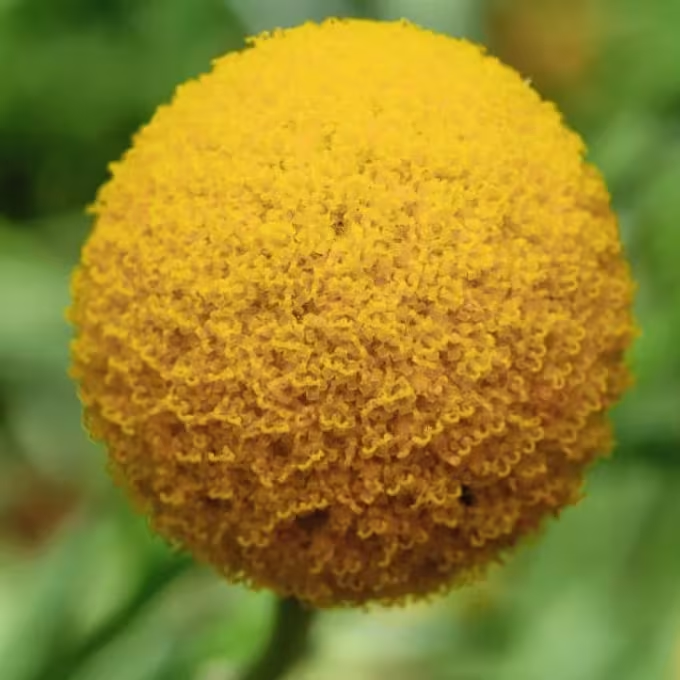
Harvesting for dried floral arrangements should occur when the flower heads are fully mature and the tiny yellow florets are completely open, providing the characteristic bright yellow color.
Stems should be cut as long as possible using clean, sharp secateurs. It is best to harvest in the morning after the dew has evaporated to ensure the highest quality of the cut material.
To dry the flowers, bundle the stems together and hang them upside down in a dark, dry, and well-ventilated location. This process preserves the vibrant color and prevents the stems from bending.
For fresh use, Billy buttons have an excellent vase life. They should be placed in clean water and can remain decorative for up to two weeks if the water is changed regularly.
Seed collection involves leaving the best flower heads on the plant until they are completely brown and dried out, then harvesting the seeds for the following season's planting.