
Phalacrachena inuloides
Phalacrachena inuloides
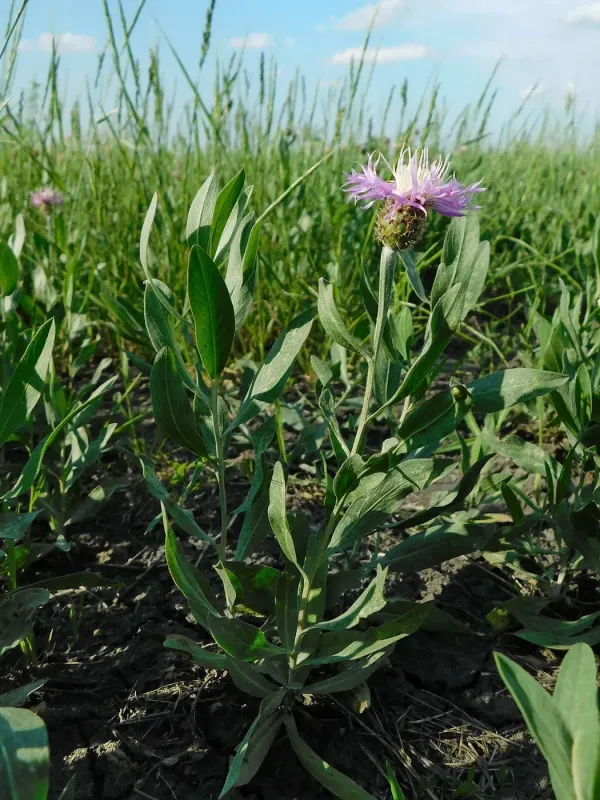
Description
Growing requirements
Phalacrachena inuloides is a member of the Asteraceae family. This perennial herbaceous plant is native to arid and semi-arid regions, showcasing significant adaptation to steppe-like environments and open landscapes.
The plant features a robust root system, which is critical for its survival in environments with scarce water resources. It thrives in well-drained soils and demonstrates a clear preference for full sun exposure to achieve optimal physiological development.
Botanically, this species exhibits dense foliage and specialized structures that facilitate drought tolerance. The inflorescences are characterized by daisy-like capitula, which is a common trait among the members of the Asteraceae family.
Agricultural success with this species depends on selecting sites with appropriate soil pH and minimal waterlogging risks. While it is highly hardy, proper soil aeration is necessary to prevent root-related issues during the early growth stages.
Potential agricultural applications for this plant include use in land reclamation projects and restorative ecology, where its ability to grow in challenging soil conditions is highly valued by agronomists.
Main diseases and pests
Phalacrachena inuloides may encounter various pathogens typical for the Asteraceae family. Fungal diseases, such as powdery mildew, are the most frequent issues, particularly in regions with high humidity or poor air circulation.
Pests that pose a threat include various sucking insects, which can weaken the plant by feeding on sap. These insects can also serve as vectors for viral diseases, making consistent monitoring a necessity for field management.
Preventive strategies primarily involve maintaining optimal plant spacing to ensure proper airflow and reducing the humidity levels around the foliage. These measures are often sufficient to keep fungal growth under control.
In cases of severe pest infestations, integrated pest management practices should be employed. This involves combining biological controls and targeted interventions to protect the plant while preserving the surrounding ecosystem balance.
The health of the root system is paramount, as crown rot can be lethal under conditions of poor drainage. Routine inspection of the root collar and soil moisture levels remains the best method for ensuring plant longevity.