
Tail-leaf
Pericome caudata
Description
Growing requirements
Pericome caudata, commonly known as Tail-leaf, is a hardy perennial herb belonging to the Asteraceae family. Native to the mountainous regions of the Southwestern United States, this plant is well-adapted to rocky slopes and dry, high-altitude environments.
Cultivation of this species requires meticulous attention to soil conditions, specifically demanding high levels of drainage and low fertility. It performs best when mimicking its natural rocky habitat, avoiding any soil amendments that might retain excessive moisture, which the plant finds detrimental.
The plant thrives in full sun exposure and is highly tolerant of significant temperature fluctuations. Its physiological structure allows it to withstand long periods of drought, making it an excellent candidate for sustainable landscaping and xeriscaping projects in semi-arid regions.
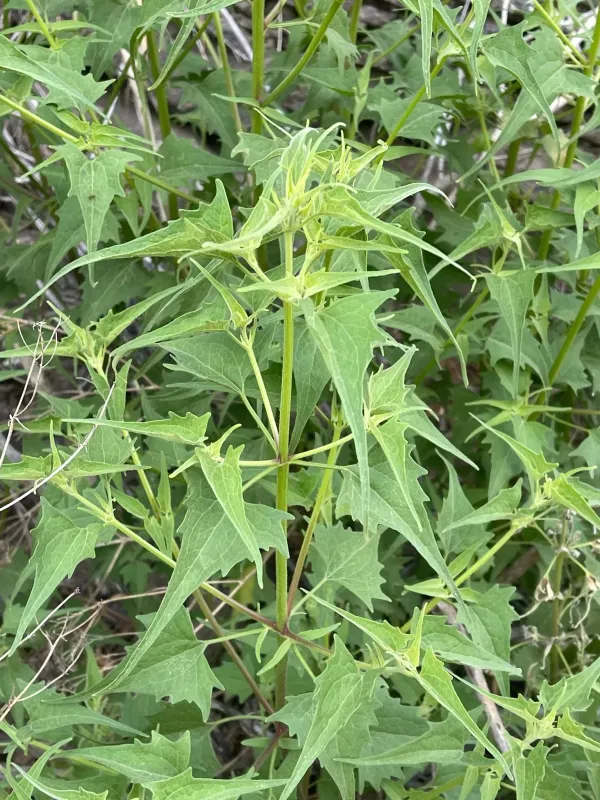
Botanically, Tail-leaf is characterized by its triangular, stalked leaves and yellow discoid flower heads that create a distinct visual texture. The plant often emits a pungent, herbaceous odor when damaged, a feature common among many plants in its mountain habitat niche.
While not a major commercial agricultural crop, Pericome caudata holds value in horticultural circles and restoration ecology. Its resilience and specific environmental requirements make it a unique specimen for gardens focused on native flora, providing both aesthetic appeal and environmental stability.