
Pectis elongata
Pectis elongata Kunth
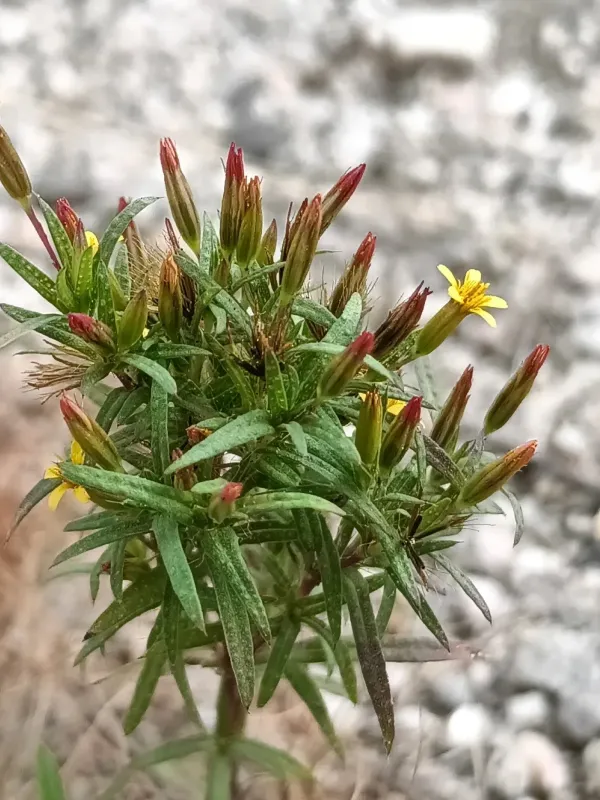
Description
Sowing dates
Pectis elongata is an annual herbaceous plant belonging to the Asteraceae family. Native to tropical regions of the Americas, it is widely recognized for its strong citrus scent due to the high concentration of essential oils in its foliage.
For successful cultivation, sowing should take place when soil temperatures consistently reach at least +20 degrees Celsius. In temperate climates, starting seeds in greenhouses is recommended to extend the growing season.
Seeds are sown in rows at a shallow depth of approximately 1 to 1.5 cm. Ensuring good seed-to-soil contact is critical for high germination rates, especially in sandy or well-aerated substrates.
Adequate moisture must be maintained during the first two weeks of growth. However, over-watering should be avoided, as the seedlings are sensitive to fungal infections like damping-off in overly wet conditions.
Proper spacing between rows is essential for air circulation. A distance of 30–40 cm between rows is typically recommended to facilitate weeding and manual or mechanical maintenance of the crop.
Growing requirements
This plant thrives in full sun and requires a warm climate to synthesize its characteristic essential oils. It is highly intolerant of frost, with temperatures below +10 degrees Celsius significantly slowing down its physiological development.
The ideal soil for Pectis elongata is a well-drained, fertile, sandy loam or loam with a neutral pH. Waterlogging is detrimental, necessitating the implementation of proper drainage if the field is prone to moisture retention.
While the plant shows some resistance to short dry spells, consistent moderate irrigation is necessary for maximum biomass production. The use of drip irrigation systems is highly recommended for efficient water management.
Fertilization should be balanced. Phosphorus and potassium are vital for the development of oil-secreting glands, whereas excessive nitrogen may promote unwanted vegetative growth at the expense of aromatic quality.
Exposure to wind should be considered; while the plant is generally sturdy, protecting fields from high winds helps in maintaining the integrity of the foliage and reducing water loss through transpiration.
Yield
The yield of Pectis elongata is primarily determined by the biomass harvested during the peak flowering phase. This is the moment when the density of essential oil glands is highest across the plant's surface.
Commercial yields can range from 5 to 10 tons of fresh biomass per hectare depending on agricultural practices and soil fertility. Post-harvest, the material is typically distilled or dried for use as a spice.
The extraction of essential oil is a major industrial goal. The efficiency of this process depends on the immediate processing of the plant material following harvest to prevent the evaporation of volatile organic compounds.
Beyond essential oils, the dried leaves are utilized in the beverage industry, specifically for herbal teas that require a distinct lemony profile. This diversification of use increases the crop's market appeal.
Strategic harvesting cycles allow producers to maximize yield. By cutting the plants at an optimal height, growers can encourage the development of secondary stems, potentially allowing for two harvests per season in warmer climates.
Main diseases and pests
Fungal diseases such as powdery mildew and root rots are the most significant threats to Pectis elongata. These conditions are usually exacerbated by poor field drainage and high humidity levels during the summer months.
Pests such as aphids and spider mites can colonize the crop, particularly under hot and dry conditions. Infestations need to be managed through regular monitoring and the use of integrated pest management strategies.
Chemical control should be approached with caution due to the crop's end-use in aromatherapy and food products. Preference should always be given to biological pest control methods where possible.
Crop rotation is a vital preventive measure against soil-borne pathogens. Pectis elongata should not be grown in fields that have recently hosted other Asteraceae species to prevent the buildup of specific host-linked pests.
Field sanitation remains the best defense. Removing crop residues immediately after harvest and ensuring that tools are disinfected helps to keep the next planting cycle free from lingering diseases.
Harvesting
Harvesting is ideally performed in the early morning, once the dew has evaporated but before the heat of the day maximizes the transpiration of essential oils from the plant tissues.
Mechanical harvesting is common in large-scale operations, utilizing sickle-bar mowers adjusted to leave enough of the plant base for regeneration. This practice is essential for sustaining long-term productivity.
Transportation of the green mass to the drying or distillation site must occur rapidly. Heat buildup within piles of harvested material can lead to rapid fermentation and the degradation of delicate aromatic oils.
Drying is best accomplished in shaded, well-ventilated structures. Exposure to direct sunlight is discouraged as it causes chemical changes in the essential oil composition, reducing the quality of the final product.
Final storage of the dried product requires humidity-controlled and light-protected environments to ensure the preservation of the volatile components until they reach the end user.