
Roundleaf groundsel
Packera obovata
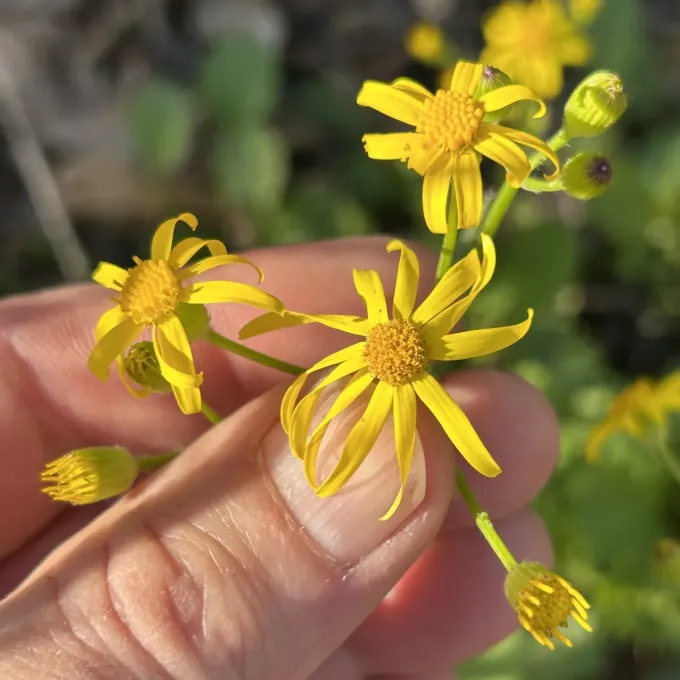
Description
Sowing dates
Sowing seeds of Packera obovata is most successful when performed in the fall, allowing the seeds to undergo natural cold stratification throughout the winter months.
When starting seeds indoors, a cold-moist treatment for 60 days is recommended to overcome dormancy and ensure uniform germination across the seed lot.
The seeds should be sown on the surface of the growing medium without covering, as light exposure is a critical trigger for the germination process of this species.
Maintaining a constant, moderate humidity level is essential during the germination phase to prevent the tiny, fragile seedlings from drying out quickly.
Once seedlings have developed at least two sets of true leaves, they can be hardened off and transplanted to their permanent location in the early spring.
Growing requirements
Packera obovata is a perennial herbaceous plant belonging to the Asteraceae family, highly valued for its ability to form dense, attractive ground covers.
This species thrives in woodland conditions, preferring partial to full shade where it can benefit from the rich, moist soil common in deciduous forest habitats.
Soil requirements include high organic matter content and a neutral to slightly acidic pH, ensuring sufficient nutrient availability for vigorous vegetative growth.
While tolerant of various soil types, the plant performs best in well-drained soils that retain some moisture without becoming waterlogged during the rainy season.
The plant is known for its semi-evergreen basal foliage, which provides year-round aesthetic appeal when planted in suitable hardiness zones.
Main diseases and pests
The primary threats to the health of Packera obovata are related to environmental stress, particularly excessive humidity combined with poor airflow.
Powdery mildew is a common fungal infection that can appear in stagnant, humid environments, necessitating improved spacing between individual plants.
Root rot is a significant risk in heavy, compacted soils that do not allow for rapid water drainage, often leading to rapid plant decline.
Slugs and snails are the most prominent pests, capable of causing substantial damage to the tender foliage, especially during moist spring weather patterns.
Effective management strategies include manual pest removal, ensuring adequate spacing for ventilation, and avoiding over-irrigation during dormant periods.