
Ozothamnus
Ozothamnus R. Br.
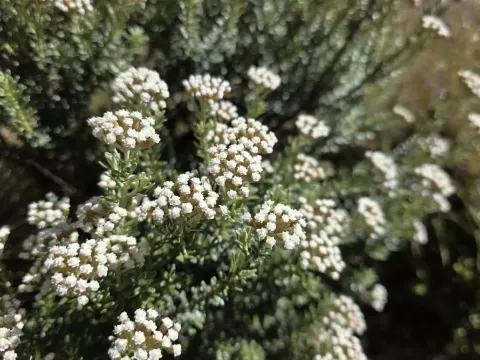
Ozothamnus is a genus of evergreen shrubs belonging to the Asteraceae family. These plants are native to Australia and New Zealand, where they grow in a variety of environments, ranging from alpine meadows to coastal scrublands, depending on the specific species and their environmental adaptation.
What the section contains


Ozothamnus
Successful cultivation requires soil with excellent drainage properties. Ozothamnus species are highly susceptible to root rot if grown in heavy or waterlogged soil. Gardeners typically use sandy or gritty substrates that ensure moisture passes through quickly without accumulating around the roots.
The plant has specific climate requirements, preferring temperate, Mediterranean-like conditions. Most species are not frost-hardy and struggle in environments where temperatures drop significantly below freezing. Consequently, in many regions, they are cultivated in greenhouses or as container plants to provide protection during winter.
Full sun is an essential requirement for this culture. Sufficient light exposure ensures the plant maintains a compact habit and develops the dense, intricate inflorescences that are highly valued in the commercial floral trade. Reduced light leads to leggy growth and diminished flowering potential.
Maintenance involves precise irrigation management. While the plants need consistent moisture to thrive during the growing season, the foliage should be kept dry to prevent fungal outbreaks. Drip irrigation is often preferred in commercial agricultural settings to minimize contact between water and the leaves.
The primary economic value of Ozothamnus lies in its role as a high-quality "everlasting" or dried flower. Harvest typically occurs when the inflorescences reach their peak color and form, just before the buds fully expand into flowers, to maximize their longevity after drying.
Following harvest, the stems are bundled and hung in a shaded, well-ventilated area to dry gradually. This slow drying process prevents the inflorescences from shattering and preserves the structural integrity and pigmentation that florists require for year-round interior design applications.
Pathogenic fungi represent the most significant threat to Ozothamnus plantations. Diseases like botrytis and various forms of stem blight can devastate a crop if humidity levels remain too high. Managing airflow through proper plant spacing is a critical agronomic practice to mitigate these risks.
Pest management focuses on controlling aphids and spider mites, which can quickly colonize the succulent tips of new growth. Integrated Pest Management (IPM) strategies, including the use of beneficial insects and targeted biological controls, are standard in modern commercial production to maintain plant health.